
Skip to content
Resmed Masks Online
  • Home
  • About Us
  • Blog
    • CPAP Masks
    • CPAP Machines
    • Eye Care
    • Laser Eye Surgery
  • Contact Us
Sleep Study Cost Australia: What Medicare, Public and Private Options Include
Sleep Study
Sleep Study Cost Australia: What Medicare, Public and Private Options Include
October 11, 2026
best laser eye surgery
Best Laser Eye Surgery
What Makes the Best Laser Eye Surgery Clinics Stand Out
January 22, 2025
Retinal Diseases
Retinal Treatments
Safeguarding Sight: Expert Insights on Retinal Diseases and Treatments
January 30, 2024

Blog

Sleep Disorders Test Sydney: Which Assessment Fits Your Symptoms?

Posted on October 20, 2026October 22, 2026 By admin
Sleep Disorders Test Sydney: Which Assessment Fits Your Symptoms?
Sleep Study

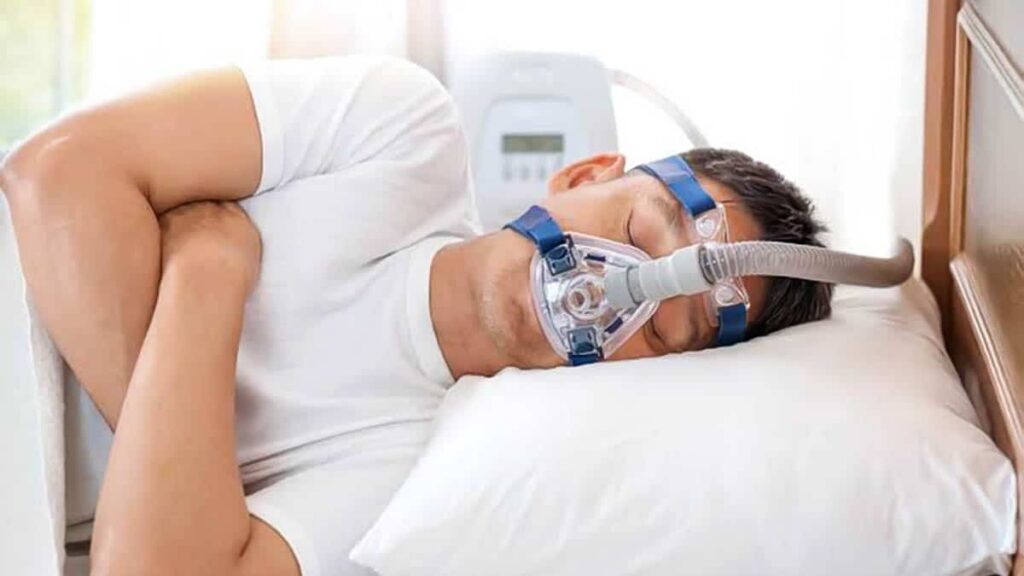
A sleep disorders test in Sydney is chosen to match the symptom pattern, not as a one-size-fits-all check. A GP may start with a history and sleep diary, then refer for a home breathing test, overnight laboratory study or daytime assessment if the findings suggest a specific disorder.

Snoring is only one reason to seek Sleep Disorders Test. People also come to a Sydney GP because they cannot stay asleep, feel an uncontrollable urge to move their legs, act out dreams or are sleepy despite a regular schedule. Each pattern points to different questions, and not every problem needs an overnight machine. This guide explains how the assessment usually begins and what information helps your clinician choose the next step.

What conditions may need assessment?

Sleep clinicians assess breathing-related disorders such as obstructive sleep apnoea, movement conditions such as restless legs or periodic limb movements, unusual behaviours during sleep and severe daytime sleepiness. Insomnia is often assessed through history and a sleep diary rather than a lab recording alone.

Your symptoms may overlap. For example, repeated waking can result from breathing events, pain, anxiety, shift work or medication effects. A clinician asks about timing, frequency, daily impact and other health conditions before deciding whether a test is needed. Mention any partner observations, such as loud snoring, pauses in breathing, kicking or unusual vocalisation.

Some suspected conditions require specialist tests. A sleep physician may recommend an overnight recording followed by a daytime nap assessment when narcolepsy is being considered. These tests are different from a basic home breathing kit, which is mainly used to investigate likely sleep apnoea.
Sleep Disorders Test Sydney: Which Assessment Fits Your Symptoms?

How does the first appointment work?

Your GP typically begins with a conversation about your sleep schedule, symptoms, health history and medicines. They may use a questionnaire to screen for sleepiness or breathing risk, then decide whether to manage the issue in primary care or refer you to a sleep service.

Bring a two-week sleep diary if you can. Record when you go to bed, estimated time to sleep, wake-ups, final waking, naps, caffeine, alcohol and how you feel. If you work rotating shifts near Sydney Airport, the Port Botany logistics area or in hospitality, note the roster too. An irregular schedule can create sleepiness that resembles a disorder, and the clinician needs to separate the possibilities.

A partner’s description can be especially valuable when you do not remember waking. If comfortable, bring that person to the appointment or ask them to write down what they observe. A short, factual account is more useful than trying to diagnose the condition yourself.

Which tests are used for breathing problems?

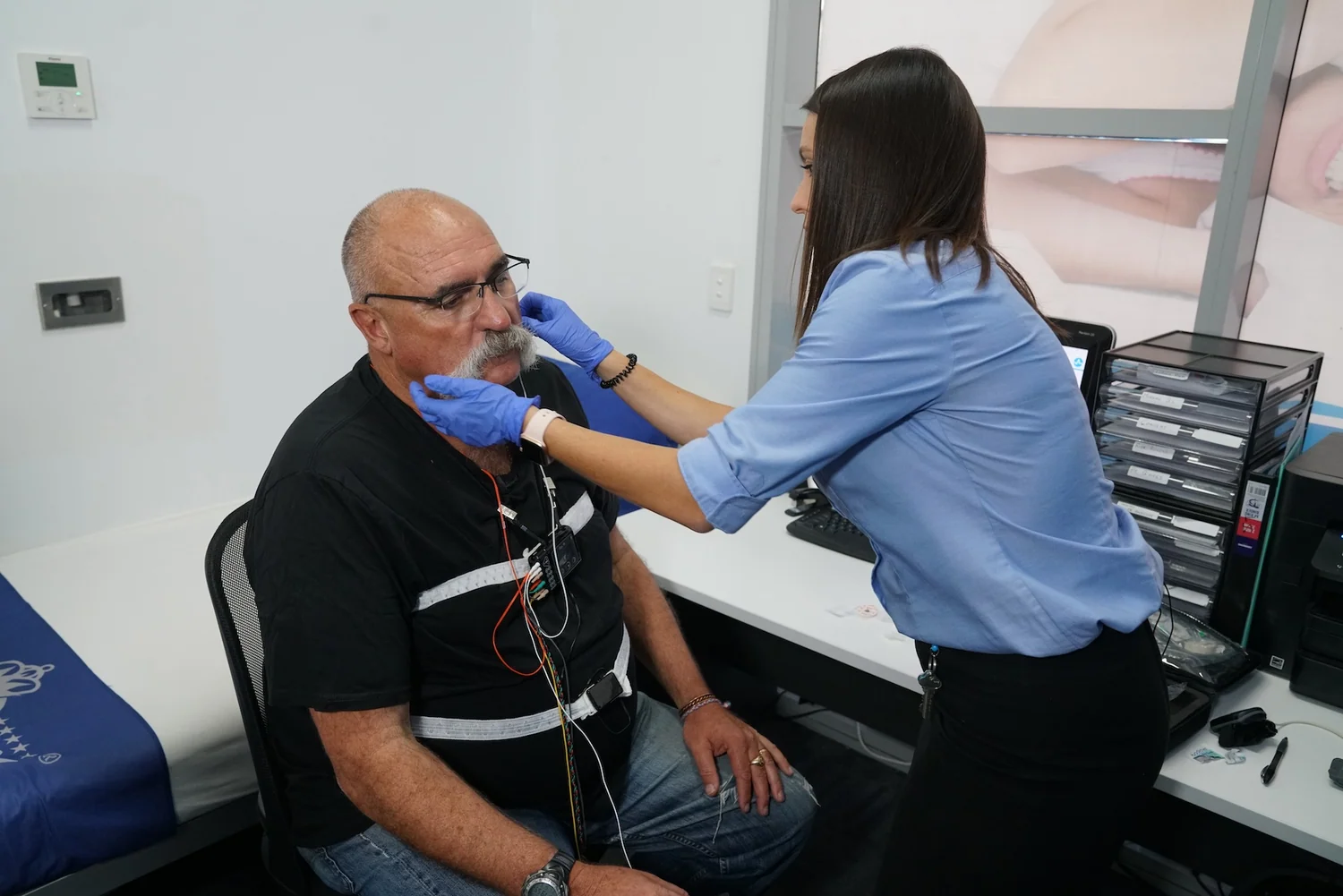
A home sleep test may measure airflow, breathing effort, oxygen and pulse, while a laboratory polysomnogram records additional signals such as brain activity and sleep stages. The doctor recommends the format based on medical history and the suspected condition.

Home testing may suit some adults with likely uncomplicated obstructive sleep apnoea. It is less suitable when significant heart or lung disease, neuromuscular conditions or another sleep disorder is suspected. If the home recording is inadequate or does not explain persistent symptoms, the sleep physician may request a lab study.

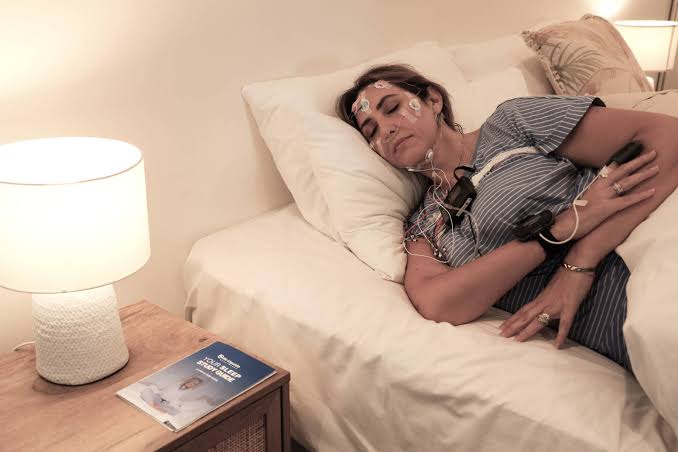
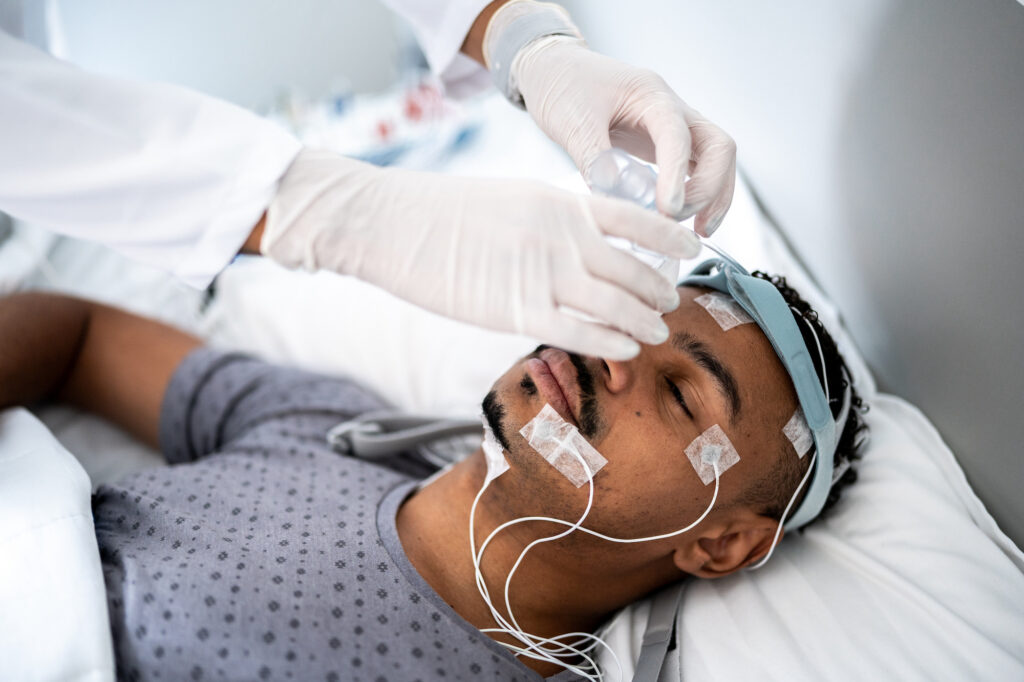
A laboratory study involves sensors attached before bed and monitoring by a technician. It can feel unusual but is not usually painful. Ask the service what the sensors record, whether a technician is on site and how the results will be explained. The goal is a clinically useful answer, not simply a large volume of data.

How are insomnia and circadian problems assessed?

Insomnia and body-clock problems are often assessed by examining patterns over time, using a sleep diary and reviewing factors that affect sleep. A single overnight test may not identify the reason a person struggles to fall asleep or wakes too early.

Your GP may ask about stress, light exposure, naps, caffeine, pain, mood and medicines. For shift workers, the time of sleep matters as much as the number of hours. A stable roster and consistent diary can help a specialist see whether the pattern fits a circadian rhythm issue or another condition.

In Sydney, bright summer evenings, early commutes and long travel times can all affect routines, but they do not automatically mean a medical disorder. If sleep difficulty persists or affects your functioning, seek clinical advice rather than relying only on generic sleep-hygiene tips.

What should you ask a sleep clinic?

Ask whether the clinic treats the symptoms you have, what assessment it recommends, who interprets the results and what the total fee includes. These questions prevent a mismatch between the referral and the service.

Confirm that the provider accepts your referral, what wait time applies and whether it offers home or lab testing. Ask how the report is returned to your GP, whether a results consultation is included and what happens if the recording is inconclusive. If a test is suggested that differs from your GP’s referral, ask the clinic to explain why and check with your doctor before proceeding.

A clinic should be clear about the limits of testing. A normal result does not always rule out every sleep problem, particularly if the test was designed to measure breathing only. Make sure there is a plan for persistent symptoms.

What happens after testing?

A sleep physician or appropriately qualified clinician reviews the data and prepares a report. Your GP or specialist explains the findings, whether the test was adequate and what treatment or further assessment is appropriate.

Treatment depends on the diagnosis. Options might include behavioural therapy, treatment of an underlying medical issue, CPAP, an oral appliance or specialist management. Some conditions need follow-up rather than a device. Ask what improvement to expect and when to review the plan.

If the report uses technical terms, request a plain-English explanation. You should understand what was found and what to do next. Keep a copy of the report for future appointments, particularly if you change clinics or move within Greater Sydney.

Sleep Disorders Test Sydney: Which Assessment Fits Your Symptoms?

How do costs and access differ in Sydney?

Costs depend on public or private access, test type, provider and Medicare billing. Ask for an itemised estimate that includes the test, interpretation, equipment and follow-up. Public services may have waiting lists and eligibility criteria, while private providers set their own fees.

Ask your GP about local options in the Inner West, Parramatta, Westmead or the Northern Beaches, depending on where you live and how you travel. For a lab study, consider the return journey after a disrupted night. For home testing, check delivery and support arrangements. A slightly longer trip or a different booking date may be worthwhile if it suits your clinical need and budget.

For a trusted overview of sleep apnoea, use the Australian Government’s obstructive sleep apnoea guide. For research context on sleep disorders and circadian health, see Flinders University’s clinical sleep health research. A focused clinical assessment is the best starting point for choosing the right test.
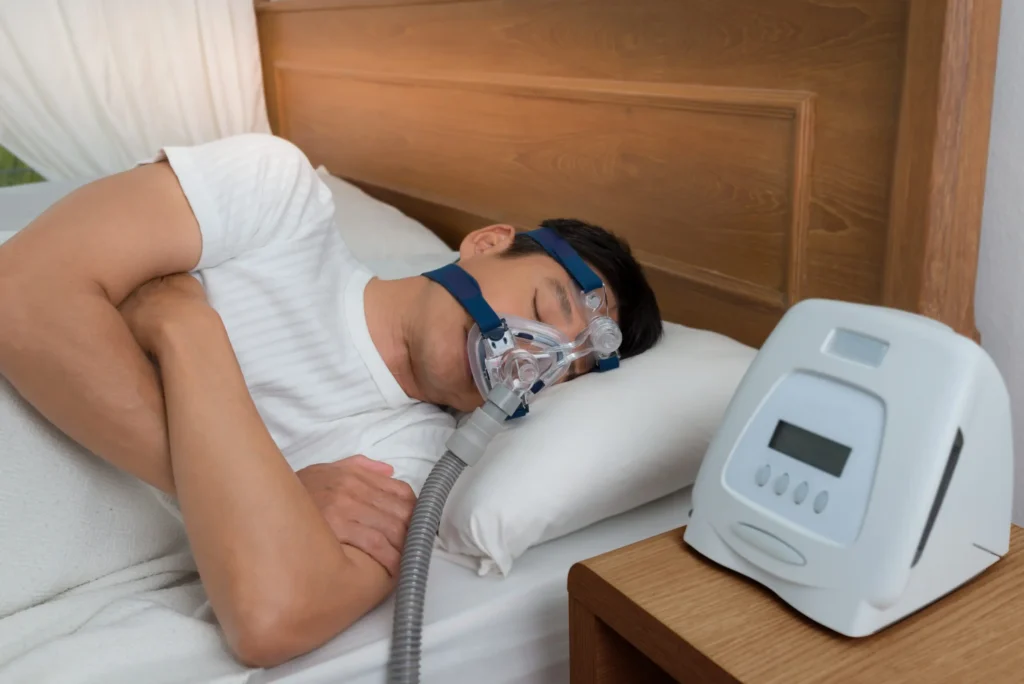
Sleep Apnea Test Near Me Sydney: How to Choose a Clinic That Fits

Posted on October 17, 2026October 22, 2026 By admin
Sleep Apnea Test Near Me Sydney: How to Choose a Clinic That Fits
Sleep Test

To find a suitable sleep apnoea test near you in Sydney, start with a GP referral and compare clinics on test type, total cost, wait time and physician review. The closest clinic is not always the best fit: home testing may remove the travel issue, while complex symptoms may require a lab study.

A “near me” search is a useful first step, not a clinical decision. Sydney’s spread means a clinic that looks close on a map may still be difficult to reach at night or after an overnight recording. Before booking, check that it accepts your referral, provides the type of study your doctor requested and explains the full fee. This guide helps you make a practical shortlist.

Start with the right test, not the postcode

Ask your GP which study type is appropriate before choosing a provider. A home breathing test may suit some adults with likely uncomplicated sleep apnea test near me; a laboratory study may be needed for complex medical conditions, other suspected sleep disorders or an inconclusive home result.

Clinics do not all offer the same services. Some arrange home kits only, while others run supervised overnight studies or refer patients elsewhere for specialist testing. If you book the wrong service, you can lose time and potentially pay for a test that does not answer the referral question. Call the clinic with the referral in front of you and confirm the exact test it can provide.

Explain any relevant conditions and your work pattern to your GP, not just the clinic receptionist. The clinician deciding on the test needs to know about heart or lung disease, medicines that affect alertness and any safety concern such as falling asleep while driving.

Sleep Apnea Test Near Me Sydney: How to Choose a Clinic That Fits

How should you compare Sydney clinic locations?

Compare the whole trip: travel time at the appointment hour, parking or public transport, and your plan for getting home after a lab night. A clinic ten kilometres away can be less convenient than one farther out if the route crosses peak-hour traffic or has poor late-night transport.

For inner-west residents, rail access to a central clinic may be simple. Someone in Liverpool, Blacktown or Penrith may prefer a Western Sydney service to avoid a long cross-city journey. Patients on the Northern Beaches should consider bridge traffic and whether the appointment ends before public transport starts. These are practical details, not minor inconveniences, when you are tired.

For a home test, ask whether the kit is posted, delivered or collected. Return arrangements can matter more than the clinic’s street address. Confirm if the provider supports patients by phone when sensors or devices cause trouble.

What questions reveal a reliable provider?

A reliable provider can explain what the test records, who interprets it, how long results take and what happens after the report. It should also give a clear fee estimate and identify the qualifications of the clinical reviewer.

Ask whether the clinic accepts your referral, offers the recommended test, and sends the report to your GP. Check whether a results appointment is included, whether the service bulk bills your particular referral and whether a repeat recording may cost extra. If the answers are vague, ask to speak with the practice manager or choose another clinic.

Online reviews may help you assess communication and logistics, but they cannot confirm clinical quality by themselves. Look for a provider that explains limitations, does not promise a diagnosis before testing and does not pressure you to purchase a device during booking.

What should you expect to pay?

The fee depends on the provider, study type, current Medicare eligibility and billing policy. Some services bulk bill eligible tests; others charge a gap or a private fee. Request the total out-of-pocket estimate in writing before you confirm.

Make sure the quote includes the test, equipment, interpretation, report, courier and follow-up. Ask if the Medicare rebate is deducted at the time of service or claimed later. A headline fee can be misleading if it excludes the physician review or return postage.

If the gap is high, ask your GP about public services or another provider. A service farther away might be more affordable, but include transport and time off work in your comparison. Do not choose a test that your clinician considers unsuitable simply because it is cheaper.

Is a home test a good option for “near me” searches?

A home test can be a strong option when the clinician believes it will answer the question, because it avoids travel to a sleep lab. It is not automatically appropriate for everyone, and it records fewer signals than a full laboratory study.

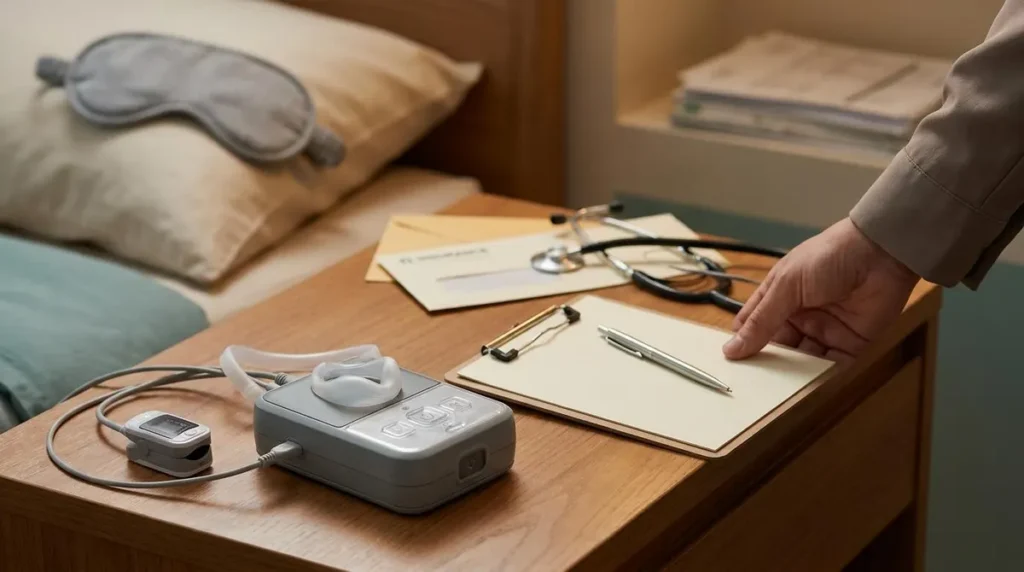
The device may include a nasal sensor, chest belt and oxygen monitor. Read the instructions before bed and ask how to handle a fault. If the result is unclear or your symptoms continue despite a negative report, your doctor may recommend a lab study. That follow-up is a normal part of safe diagnosis.

Before accepting a home kit, confirm who provides technical help, how the device is returned, whether the data is reviewed by a sleep physician and when the report will reach your GP. Convenience is useful only if the care pathway remains clear.

Sleep Apnea Test Near Me Sydney: How to Choose a Clinic That Fits

What if no nearby clinic has a timely appointment?

Ask your GP whether another location, a home pathway or a public service is suitable. Wait times change, and the service with the shortest queue may not be the right clinical match, so compare options with your referrer.

If your symptoms worsen, you have a near-miss while driving or you cannot stay awake during normal activities, contact your GP promptly and update the clinic. Do not wait for a routine appointment if there is an immediate safety concern. Avoid driving when drowsy and follow medical advice about work or licence responsibilities.

You can also ask clinics whether they keep a cancellation list and whether they accept short-notice appointments. Be honest about when you can attend; a slot you cannot reach is no real improvement.

A short booking checklist

Before you book, confirm your referral, test type, total cost, wait time, reviewer and results process. Keep the quote and appointment details in one place, and plan transport if you will attend a lab overnight.

For an overview of symptoms and testing locations, use the Healthdirect sleep diagnostic service directory. For evidence and research context, explore Neuroscience Research Australia’s sleep disorders research. Use location search to build a shortlist, then let the referral and clinical fit decide which provider to call first.

Sleep Apnea Test Medicare Australia: Referral Rules, Rebates and Bulk Billing

Posted on October 14, 2026October 22, 2026 By admin
Sleep Apnea Test Medicare Australia: Referral Rules, Rebates and Bulk Billing
Sleep Study

Medicare may contribute to an eligible sleep apnoea test when a doctor refers you and the service meets current rules. Bulk billing means the provider accepts the benefit as full payment for the covered service; otherwise, you may pay a gap. Confirm the exact test and fee with the clinic before booking.

Medicare language can make a straightforward booking feel like a maze. Patients hear “rebate”, “bulk billed” and “eligible study” and reasonably want to know one thing: what will I pay? The answer depends on the referral, study type and provider. This guide explains the questions Sydney patients should ask, without treating a rebate as a promise of free care.

Do you need a referral for Medicare-supported testing?

A referral from a GP or another eligible doctor is commonly required for Medicare-supported sleep apnea test medicare. The referral documents why the study is clinically needed and helps the provider determine which test is suitable.

At your appointment, describe snoring, observed breathing pauses, waking gasping, unrefreshing sleep and daytime sleepiness. Mention relevant medical conditions, medicines and any near-misses while driving or working. A partner’s observations can help because people often do not notice events themselves. Your GP may use a screening tool, but the referral should reflect clinical assessment rather than a questionnaire score alone.

Ask the clinic whether it accepts your referral and whether any additional details are needed. If it requests changes, return to your GP for an updated referral rather than trying to edit the document yourself. Check any validity period while booking, especially if a public wait means the appointment is months away.

Sleep Apnea Test Medicare Australia: Referral Rules, Rebates and Bulk Billing

What does Medicare cover, and what might you pay?

Medicare pays a benefit for eligible services, subject to current rules. It does not automatically cover every clinic’s full fee, and the amount you pay depends on what the provider charges and whether it bulk bills.

A clinic that bulk bills claims the benefit directly and does not charge a gap for the service it has agreed to bulk bill. A non-bulk-billing provider may charge a private fee, with the rebate offsetting part of that amount. There may also be separate charges for a consultation, interpretation, equipment, courier or follow-up appointment.

Ask for an itemised written quote that states the total fee, expected rebate, estimated gap and what is included. Ask explicitly: “Is this specific sleep study bulk billed for my referral, including the report?” A general answer about bulk billing is not enough if you do not know which part of care it covers.

How do home and lab studies affect billing?

Home and laboratory studies can have different billing arrangements because they involve different services and equipment. One provider may bulk bill a home test but charge a gap for a lab study, while another may have different eligibility conditions.

A home test records a limited set of breathing and oxygen signals in your own bed. A lab study captures more information and may be recommended when symptoms are complex or a previous home result is unclear. The Medicare treatment of a service depends on current item rules and the provider’s billing model, not simply on whether the device is portable.

Do not select a less comprehensive test just to access a particular fee if your clinician believes it is unsuitable. Ask whether the recommended test can be delivered through a public or bulk-billed service. The answer may vary across Sydney hospitals and private providers.

How do you find bulk billing in Sydney?

Ask your GP’s practice which local providers currently bulk bill the test on your referral, then contact those clinics to verify. Billing policies change, and online directories may not reflect a provider’s latest arrangements.

When calling, have your referral details ready and ask whether the clinic is accepting new patients. Confirm the test type, eligibility conditions, report fee, results consultation and expected wait. If a clinic says “Medicare covered”, ask whether that means no gap or only that a rebate can be claimed.

Patients in Blacktown, Parramatta, Liverpool, Penrith or the Eastern Suburbs may need to compare nearby areas. A longer trip can be worthwhile if it lowers the gap, but weigh transport, time off work and appointment availability too. For an overnight lab study, check parking and public transport for the return journey.

What if you do not qualify for bulk billing?

If a clinic does not bulk bill your study, ask for the private fee and expected rebate in writing, then compare it with a public pathway and other providers. Your GP can help decide whether waiting or paying a gap makes sense for your symptoms.

Do not assume that concession status, private insurance or a previous bulk-billed appointment guarantees this study will be free. Eligibility is specific to the service and billing provider. Private health cover can also depend on the policy, so contact your insurer before booking rather than relying on the clinic’s general statement.

If the gap is unaffordable, tell your GP early. The practice may know of public services, a different eligible provider or patient support options. Do not postpone urgent advice about severe sleepiness or safety risks while you compare prices.

Sleep Apnea Test Medicare Australia: Referral Rules, Rebates and Bulk Billing

How do you check current rules and protect yourself from surprises?

Confirm Medicare details with Services Australia, your GP and the clinic, and keep the written quote and invoice. Ask who submits the claim, whether you pay upfront and how any rebate is returned.

A reputable provider will clearly explain what it bills and what you receive. Be wary of a vague “free test” offer that does not identify the clinician who interprets the data or the report you will get. The test should lead to a medical explanation and a plan, not just a device reading.

For current eligibility details, consult the Medicare Benefits Schedule item for a home-based diagnostic sleep study. For research context on sleep and respiratory health, see Flinders University’s clinical sleep health research. Use these for background, then check your individual billing details directly.

Questions to ask before confirming your appointment

Before you book, ask whether your referral is valid, whether Medicare applies to the requested test, whether the clinic bulk bills, and what amount you could owe. Ask if interpretation and follow-up are included and what happens if the test needs repeating.

Record the answers and compare at least two providers if your symptoms allow time. In Sydney, choice may include a public hospital service, a private sleep clinic or a home testing pathway. The right option is the one that fits clinical advice and leaves you clear about both the cost and the next step.

Sleep Study Cost Australia: What Medicare, Public and Private Options Include

Posted on October 11, 2026October 22, 2026 By admin
Sleep Study Cost Australia: What Medicare, Public and Private Options Include
Sleep Study

A sleep study cost in Australia depends on the test type, provider charges, Medicare eligibility and whether the clinic bulk bills. Public services may have no direct fee for eligible patients but can involve waits; private clinics may charge a gap. Request a written estimate that includes the study, report and follow-up.

When you search for a Sleep Study Cost Australia , you may see figures that look wildly different. That is often because the services are not the same: one price may cover a home kit only, while another includes a supervised lab night and physician review. For people in Sydney, travel and waiting time also affect the real cost. This guide explains the components to compare so you can budget without choosing a test on price alone.

What makes sleep study costs vary?

The main cost drivers are whether the test is performed at home or in a lab, how much monitoring it includes, and whether the provider charges above the Medicare rebate. Reporting, consultations, equipment delivery and repeat testing can add separate fees.

A home study uses portable equipment and may suit an adult with likely uncomplicated sleep apnoea. A laboratory study uses more sensors and staff time, and may be needed when symptoms or medical history are complex. Comparing the price of a home recording with a lab study is not a fair comparison unless you understand what each package includes.

The location and service pathway matter too. Public hospital access is governed by referral and clinical triage; private clinics set their fees and availability. Prices change, so check directly with each provider rather than relying on an old online estimate.

Sleep Study Cost Australia: What Medicare, Public and Private Options Include

Does Medicare pay for a sleep study?

Medicare may contribute to eligible sleep testing when the referral, test and provider meet current requirements. A rebate is not the same as a guarantee of no charge: if the provider’s fee exceeds the benefit, you may pay the difference.

A bulk-billing clinic accepts the Medicare benefit as full payment for the covered service. Confirm whether this applies to your exact test and whether the report or results consultation is included. Some providers bulk bill a home study but charge separately for a follow-up; others do not bulk bill at all.

Ask your GP and the clinic how your referral will be used, then verify current rebate information through Services Australia. Because item rules can change, don’t rely on a figure quoted in a social media post or by someone who tested several years ago.

How do public and private pathways compare?

Public hospital pathways may reduce or remove the direct test fee for eligible patients, but referral criteria and waiting times vary by service. Private clinics may offer more appointment choice, but their fees and gaps vary. The best path depends on your clinical priority and budget.

In Sydney, your GP can advise which public sleep service accepts patients from your area. Clinical urgency influences triage, so include details such as witnessed breathing pauses, severe daytime sleepiness or a safety concern. If a long wait is difficult, ask whether a private or bulk-billed alternative is clinically appropriate, rather than booking a different test without advice.

Do not assume private means better or public means lower quality. Focus on who interprets your results, whether the study is appropriate and how you will receive follow-up. A clear pathway matters more than the label on the building.

What should a written quote include?

A useful quote states the test type, total provider fee, expected Medicare benefit, estimated gap and any additional charges. It should say whether the physician report, results appointment, equipment, courier or repeat recording is included.

Ask the clinic whether your referral is sufficient, whether a GP appointment is billed separately, and how long the estimate remains valid. If it quotes an “out-of-pocket” figure, ask whether that figure assumes a Medicare rebate and whether you must pay upfront. Request the quote by email so you can compare providers accurately.

For home testing, clarify delivery, return postage and support if a sensor fails. For an overnight study, ask whether accommodation or meals are included, and whether parking or transport costs are likely. These details prevent small extras turning into a larger bill.

How can you lower your out-of-pocket cost?

Get a GP referral before contacting providers, ask about bulk billing, compare like-for-like quotes and check whether a public pathway is available. If you have private health insurance, ask your insurer directly whether your policy applies to this service.

Start with your GP’s practice manager, who may know which local clinics currently bulk bill the study type on your referral. Expand your search beyond one suburb if travel is manageable. A clinic in Parramatta, Westmead or the Inner West may have a different fee and wait from a provider near the CBD, so verify rather than assume.

Avoid choosing a limited test only because it is cheaper. If your health profile calls for a lab study, a home test that cannot answer the clinical question may lead to another appointment and a higher total cost. Ask your doctor what is safe to simplify.

Sleep Study Cost Australia: What Medicare, Public and Private Options Include

Is a home sleep study less expensive?

A home study often has a lower provider fee than an attended lab study, but actual savings depend on what is included and whether the result is conclusive. The kit may require a separate interpretation fee or a lab follow-up if the data is inadequate.

Home studies are commonly considered for adults with suspected uncomplicated obstructive sleep apnoea. People with certain heart or lung conditions, other suspected sleep disorders or unclear previous results may need an in-lab assessment. The clinician’s recommendation should guide the choice, not a price comparison alone.

Ask whether the home kit includes physician interpretation and what happens if the recording is technically insufficient. A provider should explain the next step before you pay.

A Sydney checklist before booking

Before confirming, check your referral, test type, total gap, report fee, wait time and return arrangements. Write down the name of the person who provided the quote and the date, then keep the estimate with your booking confirmation.

Plan the practical side too. A lab study can end early in the morning, so consider whether you can safely travel home and go to work. If you live in Penrith, Campbelltown or the Northern Beaches, the journey may be longer than the test itself. Home testing can reduce that burden when clinically suitable.

For dependable background on diagnosis and symptoms, read the Medicare Benefits Schedule details for an overnight sleep investigation. For research-based sleep science context, see Flinders University’s Sleep Health research programme. A good cost decision starts with a clear clinical recommendation and ends with a complete quote.

How Much Is Laser Eye Surgery Without Private Health Cover?

Posted on October 8, 2026October 2, 2026 By admin
How Much Is Laser Eye Surgery Without Private Health Cover?
Surgery Costs

This guide breaks down typical costs, what changes the quote, and what Australians should ask clinics before booking.

What does laser eye surgery cost in Australia without insurance?

In most Australian clinics, how much is laser eye surgery without private health cover typically lands between about $2,500 to $4,500 per eye, depending on the procedure and prescription. Many people will see packages advertised “from” a lower figure, but the final quote often rises once suitability tests and technology choices are factored in.

Pricing is usually per eye, so total costs commonly sit around $5,000 to $9,000 for both eyes.

Why do prices vary so much between clinics and states?

Prices vary because clinics price different inclusions, technologies, and aftercare support. A lower headline price may exclude essentials like pre-op scans, enhancement cover, or multiple post-op appointments.

Location also plays a part. Inner-city clinics in Sydney, Melbourne, and Brisbane may charge more due to overheads, while some suburban or regional providers may price more aggressively.

Which procedures are Australians usually quoted for, and what do they cost?

Most people comparing how much is laser eye surgery without private health cover are choosing between LASIK, PRK, and SMILE. As a rough guide in Australia: LASIK and SMILE are often quoted higher than PRK, but it depends on prescription and eligibility.

Some clinics also quote surface-laser options under different names. They may sound different, but the core method can be similar, so it helps to ask what procedure is actually being offered.

What is the typical cost for LASIK without private health cover?

For Australians asking how much is laser eye surgery without private health cover for LASIK, many clinics quote around $3,000 to $4,500 per eye. LASIK pricing often reflects the laser platform used, surgeon experience, and what is included in the package.

If a clinic advertises a “from” LASIK price, it is usually for a narrow prescription range with straightforward suitability results.

What is the typical cost for PRK without private health cover?

PRK can be cheaper than LASIK in some Australian clinics, often starting from around $2,500 to $3,800 per eye, but it is not always the budget option. Some providers price PRK similarly if the package includes robust aftercare, medications guidance, and enhancement cover.

PRK recovery is usually longer, which can affect time off work and overall “real-world” cost.

How Much Is Laser Eye Surgery Without Private Health Cover?

What is the typical cost for SMILE without private health cover?

SMILE is often marketed as a newer, minimally invasive option. In Australia, it is commonly quoted in the $3,500 to $4,800 per eye range, depending on prescription and clinic.

For people weighing how much is laser eye surgery without private health cover, SMILE can look expensive upfront, so it is worth clarifying what their quote includes compared with LASIK or PRK.

What does a “package price” usually include?

Most reputable Australian clinics bundle several items into a single fee. This often includes pre-operative assessment, surgeon and facility fees, the procedure itself, and a set schedule of post-op reviews.

However, inclusions differ. Anyone comparing how much is laser eye surgery without private health cover should ask for a written itemised list so they can compare clinics on the same basis.

What hidden costs should they ask about before booking?

The most common “surprises” include extra scans, follow-up visits beyond the standard schedule, and enhancement procedures if vision later changes. Some quotes also exclude prescription eye drops or recommend specific products that add to laser eye surgery out-of-pocket costs.

To avoid confusion, they should ask whether the clinic’s quote is genuinely all-inclusive and what circumstances trigger extra charges.

Do consultations and suitability scans cost extra in Australia?

Some clinics offer free initial checks, while others charge a fee that can range from roughly $100 to $300+ depending on depth of testing. Advanced corneal mapping and dry-eye evaluation can also affect the cost.

For anyone focused on how much is laser eye surgery without private health cover, it helps to treat the consult as part of the overall spend, especially if they are comparing multiple clinics.

How does their prescription affect the quote?

Prescription strength, astigmatism levels, and corneal thickness can all change eligibility and pricing. Higher prescriptions may require more complex planning, different techniques, or can push them toward alternatives.

If they are shopping around based on how much is laser eye surgery without private health cover, they should only compare quotes after a proper assessment confirms the same recommended procedure.

Does age or dry eye change the final cost?

Yes, it can. Older patients may have early lens changes, and some clinics will recommend lens-based options rather than laser. Dry eye can also require treatment before surgery, such as lubricants, lid hygiene routines, or in-clinic therapies.

Those add-ons influence how much is laser eye surgery without private health cover, even if the surgery fee itself does not change

Is laser eye surgery GST-free in Australia?

Medical services are often GST-free, but billing structures can vary depending on what is included in the invoice. Some ancillary items might be treated differently. They should confirm with the clinic whether the quoted total is the final payable amount and whether any components attract GST.

For clarity, they should request a written quote that states the total payable.

Can Medicare reduce the cost without private health cover?

In most straightforward elective laser vision correction cases, Medicare rebates are limited or not available. Some eye-related assessments may be claimable depending on provider type and item numbers, but patients should not assume Medicare will materially lower the surgical fee.

So when they calculate how much is laser eye surgery without private health cover, it is safer to assume it is largely out-of-pocket unless the clinic confirms otherwise.

Are there payment plans and interest-free options in Australia?

Yes, many Australian clinics offer instalments through finance providers, sometimes with interest-free periods. These plans can make the upfront cost easier, but they can also increase the total paid if fees or interest apply after the promotional window.

Anyone comparing how much is laser eye surgery without private health cover should ask for the full repayment schedule and the total payable over time.

Is it cheaper to go overseas, and what risks affect the true cost?

Some Australians consider travelling for cheaper surgery, but the “true cost” includes flights, accommodation, time off work, and follow-up care back home. If complications occur, local management can be stressful and expensive.

For people focused on how much is laser eye surgery without private health cover, overseas deals can look attractive, but the risk-adjusted cost is not always lower.

What questions should they ask clinics to compare quotes properly?

They should ask what procedure is recommended and why, what technology will be used, who performs the surgery, and what follow-up schedule is included. They should also ask whether enhancements are covered, for how long, and under what conditions.

Most importantly, they should ask for an itemised quote so price comparisons reflect real inclusions, not marketing headlines.

What is a realistic total budget they should plan for?

A realistic Australian budget often sits between $5,000 and $9,000 for both eyes, plus any consult fees and optional extras. It can be lower for mild prescriptions or promotions, and higher for premium packages.

When deciding how much is laser eye surgery without private health cover, they should also factor in time off work, travel to the clinic, and short-term prescription sunglasses if recommended.

How can they tell if a low price is good value or a red flag?

A low price is not automatically a problem, but value depends on transparency and safeguards. If a clinic is vague about the surgeon, avoids itemised quotes, or rushes consent, that is a concern. If they clearly explain suitability, risks, and inclusions, a competitive price can be genuine.

Price matters, but outcomes, safety standards, and aftercare matter more.

What is the simplest way to get an accurate quote?

The simplest approach is to book a comprehensive suitability assessment and request a written, itemised quote. This helps answer how much does laser eye surgery cost in Australia for their specific circumstances while confirming the procedure type, eligibility, inclusions, and final price.

In Australia, the fastest way to answer how much is laser eye surgery without private health cover is not guesswork, but a proper scan-based consult and a clear breakdown of what the clinic includes.

How Much Is Laser Eye Surgery Without Private Health Cover?

FAQs (Frequently Asked Questions)

How much does laser eye surgery cost in Australia without private health cover?

In Australia, laser eye surgery without private health cover typically costs between $2,500 to $4,500 per eye, depending on the procedure type and prescription. For both eyes, total expenses usually range from $5,000 to $9,000.

Why do laser eye surgery prices vary between clinics and states in Australia?

Prices vary due to differences in included services, technology used, aftercare support, and clinic location. Inner-city clinics often charge more due to higher overheads, while suburban or regional providers may offer more competitive pricing. Additionally, some lower headline prices may exclude essential services like pre-op scans or enhancement cover.

What are the typical costs for LASIK, PRK, and SMILE procedures without private health cover?

LASIK generally costs around $3,000 to $4,500 per eye; PRK ranges from approximately $2,500 to $3,800 per eye; and SMILE is quoted between $3,500 to $4,800 per eye. Prices depend on prescription strength, eligibility, clinic offerings, and included aftercare packages.

What does a typical laser eye surgery package include in Australian clinics?

Most reputable clinics bundle pre-operative assessments, surgeon and facility fees, the surgical procedure itself, and a set schedule of post-operative reviews into one package price. However, inclusions can differ widely; therefore, it’s important to request a detailed itemised list when comparing quotes.

Are there any hidden costs associated with laser eye surgery that patients should be aware of?

Yes. Potential extra costs include additional scans beyond standard assessments, follow-up visits exceeding the scheduled appointments, enhancement procedures if vision changes post-surgery, prescribed medications like eye drops not included in the package price. Clarify with clinics whether quotes are truly all-inclusive and what triggers extra charges.

Do consultations and suitability scans cost extra when considering laser eye surgery without private health cover?

Some Australian clinics offer free initial consultations and suitability scans; others charge fees ranging from approximately $100 to over $300 depending on the depth of testing required. Advanced corneal mapping or dry-eye evaluations may add to consultation costs. It’s advisable to factor these into your overall budget when comparing multiple providers.

How Much Does Laser Eye Surgery Cost In Australia Today?

Posted on October 7, 2026October 2, 2026 By admin
How Much Does Laser Eye Surgery Cost In Australia Today?
Laser Eye Surgery

This guide breaks down what pricing typically includes, what drives costs, and how Australians can compare quotes without getting caught by misleading specials.

What is the typical price range for laser eye surgery in Australia today?

For many Australians, laser eye surgery cost in Australia today commonly lands in the few-thousand-dollars-per-eye range, but it can be higher for complex prescriptions or premium tech. The real “typical” price is the one that matches their prescription, corneal thickness, and the procedure their surgeon recommends.

Because clinics package inclusions differently, two similar headline prices can mean very different total out-of-pocket costs.

Why do prices for laser eye surgery vary so much between clinics?

Prices vary because clinics are not selling one identical product. How much does laser eye surgery cost in Australia today changes with the surgeon’s experience, the laser platform used, how much pre-op testing is included, and how much aftercare is bundled in.

Location also matters. A CBD clinic in Sydney or Melbourne may price differently to a suburban or regional provider due to rents, staffing, and demand.

Which procedures affect the cost most: LASIK, PRK, or SMILE?

Procedure choice is one of the biggest pricing levers. Laser eye surgery cost in Australia today can differ depending on whether they are suited to LASIK, PRK, or SMILE, since each has different equipment needs, treatment steps, and recovery profiles.

In simple terms, the “right” procedure is usually the one that fits the eye safely, not the one that looks cheapest on an ad.

What does the quoted price usually include in Australia?

Many reputable clinics bundle major components, but they should confirm exactly what’s covered. A quote for laser eye surgery cost in Australia today often includes an initial assessment, the procedure itself, standard post-op reviews, and a limited period of aftercare.

However, some quotes exclude prescription drops, enhancement policies, or extended follow-up. They should ask for an itemised list in writing.

How Much Does Laser Eye Surgery Cost In Australia Today?

What extra fees can surprise patients after the initial quote?

Unexpected costs usually come from exclusions and “optional” items that are not really optional. Even if laser eye surgery cost in Australia today looks competitive, they might still pay extra for additional scans, specialist reviews, prescription eye drops, protective eyewear, or more appointments if healing is slower.

Enhancements can also be a big variable. They should ask what happens if results drift and whether enhancements are included, discounted, or charged at full price.

How do Medicare and private health insurance affect the final cost?

In most cases, laser vision correction is considered elective, so Medicare rebates are limited or not available for the core procedure. This is why laser eye surgery cost in Australia today is typically paid out of pocket.

Private health insurance generally does not cover standard LASIK or SMILE, although exceptions may apply when surgery is medically necessary or a different item number is used. Patients should confirm their LASIK health insurance coverage directly with their insurer rather than relying on assumptions made by a clinic.

Are “from $X per eye” deals actually good value?

Sometimes they are, but only if the fine print matches their eyes. A low advertised laser eye surgery cost in Australia today might apply only to mild prescriptions, limited appointment windows, or older laser platforms, and it may exclude key inclusions like wavefront-guided treatment or enhancements.

They should treat “from” pricing as a prompt to ask better questions, not as a final quote. A transparent clinic will explain who qualifies and what changes the price.

How do cities and states influence laser eye surgery pricing in Australia?

Pricing can shift by market demand and operating costs. Laser eye surgery cost in Australia today may trend higher in large metro areas like Sydney, Melbourne, and Brisbane compared with some smaller cities, though competition can also push prices down in major centres.

In Perth, Adelaide, Hobart, Canberra, and regional hubs, they may see different package styles and appointment availability. The best comparison is always like-for-like: same procedure type, same inclusions, similar surgeon involvement.

What role do prescription strength and eye health play in the total cost?

Higher prescriptions, significant astigmatism, thin corneas, or dry eye can change what’s suitable and what preparation is needed. Those factors can move laser eye surgery cost in Australia today because they may require more detailed diagnostics, a different procedure, or longer follow-up.

They should expect a proper clinic to slow down here. If a provider quotes without a thorough assessment, the low price may be masking risk.

What payment options do Australians typically use?

Many Australians pay via savings, credit card, or clinic-arranged finance. Even if laser eye surgery cost in Australia today feels manageable, spreading payments can make it easier to choose the safest option rather than chasing the cheapest headline price.

If they consider finance, they should look closely at interest rates, establishment fees, early payout terms, and whether the “weekly price” hides a high total repayment.

How can they compare clinics without overpaying or compromising safety?

They can compare clinics by forcing quotes into the same format. For laser eye surgery cost in Australia today, they should ask each clinic for: the recommended procedure, what laser platform is used, the total price for both eyes, what aftercare includes, and the written enhancement policy.

They should also compare who actually performs key steps. In some settings, a surgeon leads everything; in others, parts are delegated under supervision. Neither is automatically wrong, but it should be clear.

What questions should they ask at the consultation to lock in the real price?

They can keep it simple and direct. To understand laser eye surgery cost in Australia today, they should ask these questions and request written answers:

  • What is the total cost for both eyes, including GST and all appointments?
  • Which procedure is recommended, and why is it safer for their eyes?
  • What is included in aftercare, and for how long?
  • Are prescription drops included?
  • What is the enhancement policy, time limits, and cost if needed?
  • What happens if they are found unsuitable after paying a deposit?
  • Who performs the procedure, and who handles follow-ups?

A clear clinic will not rush these answers.

Is laser eye surgery “worth it” financially for most Australians?

It depends on their lifestyle and how long they expect to rely on glasses or contacts. Laser eye surgery cost in Australia today can look expensive upfront, but some people compare it to years of contact lenses, solutions, prescription sunglasses, and regular optometry visits.

That said, “worth it” should start with suitability and risk tolerance. They should view it as a medical decision first, and a financial decision second.

What is the safest way to get an accurate personalised quote in Australia today?

They will get the most accurate figure by booking a comprehensive assessment with a clinic that itemises everything. Laser eye surgery cost in Australia today is only meaningful when it reflects their exact prescription, corneal measurements, dryness level, and the procedure the surgeon would actually perform.

They should avoid paying deposits before understanding the inclusions, enhancement terms, and refund rules. The best quote is one they can verify line by line in writing, particularly when considering laser eye surgery without private health cover.

How Much Does Laser Eye Surgery Cost In Australia Today?

FAQs (Frequently Asked Questions)

What is the typical price range for laser eye surgery in Australia today?

Laser eye surgery cost in Australia today usually falls within the low-thousands to mid-thousands per eye. The exact price depends on individual factors like prescription strength, corneal thickness, and the specific procedure recommended by the surgeon. Pricing can vary significantly between clinics due to different package inclusions.

Why do prices for laser eye surgery vary so much between clinics in Australia?

Prices vary because clinics offer different packages and services. Factors influencing laser eye surgery cost in Australia today include the surgeon’s experience, the type of laser technology used, pre-operative testing, aftercare services included, and geographic location such as city versus regional clinics.

How do LASIK, PRK, and SMILE procedures affect laser eye surgery cost in Australia?

The choice of procedure greatly impacts laser eye surgery cost in Australia today. Each—LASIK, PRK, or SMILE—requires different equipment and treatment steps. The safest and most suitable procedure for an individual’s eyes typically determines the cost rather than simply choosing the cheapest option advertised.

What does a typical laser eye surgery quote include in Australia?

A typical quote for laser eye surgery cost in Australia today often includes an initial assessment, the surgical procedure itself, standard post-operative reviews, and a limited period of aftercare. However, some quotes may exclude items like prescription eye drops, enhancement policies, or extended follow-up care. It’s important to request an itemised list from clinics.

Are there any extra fees that patients should be aware of beyond the initial quote?

Yes, unexpected costs can arise from exclusions or optional services that might be necessary, such as additional scans, specialist consultations, prescription drops, protective eyewear, or extra appointments if healing is slower. Enhancements after the initial surgery can also incur additional fees unless included or discounted by the clinic.

Do Medicare or private health insurance cover laser eye surgery costs in Australia?

Generally, laser vision correction is considered elective in Australia, so Medicare rebates are limited or unavailable for standard procedures. Private health insurance usually does not cover standard LASIK or SMILE unless medically necessary or under specific item numbers. Patients should verify coverage directly with their insurer rather than relying on clinic assumptions.

The 10 Best CPAP Masks of 2026: Reviewed by Sleep Experts

Posted on March 2, 2026March 2, 2026 By admin
The 10 Best CPAP Masks of 2026: Reviewed by Sleep Experts
CPAP Masks

Finding the right CPAP interface is the single most important factor in maintaining sleep apnea therapy compliance. In 2026, the landscape of sleep medicine has shifted toward “minimalist performance”—masks that provide a medical-grade seal without the bulk of traditional designs.

Whether you are a mouth breather needing a reliable full-face seal or an active side sleeper seeking a “barely-there” nasal pillow, this expert-reviewed guide breaks down the best CPAP masks of 2026 currently available in Australia. We specifically compare heavy hitters like the ResMed AirFit F40 and the Fisher & Paykel Solo to help you make an informed clinical choice for your sleep health.

See more: How CPAP Machines Revolutionize Sleep Apnea Treatment


The Evolution of CPAP Mask Technology in 2026

The primary goal of CPAP therapy is to provide Continuous Positive Airway Pressure to keep the upper airway from collapsing. Historically, this meant heavy plastic frames and overtightened straps. However, 2026 marks the era of Dynamic Sealing and Auto-Fitting technologies.

Why Mask Selection Matters

A poorly fitted mask leads to air leaks, which can:

  • Dry out the eyes and nasal passages.
  • Reduce the effectiveness of the therapy pressure ($P_{aw}$).
  • Cause “mask farts” (audible leaks) that disrupt both your sleep and your partner’s.

The Rise of Silicone and Memory Foam

Modern masks use medical-grade liquid silicone or “UltraSoft” memory foam. While silicone offers a durable, easy-to-clean seal, memory foam (found in the ResMed AirTouch series) provides a more breathable, skin-friendly alternative for those prone to pressure sores or skin irritation.


Top 10 CPAP Masks of 2026: Comparison & Reviews

RankModelTypeBest ForKey Feature
1ResMed AirFit F40Full FaceActive SleepersAdaptiSeal™ Silicone
2Fisher & Paykel SoloNasal / PillowEase of UseAutoFit™ Technology
3ResMed AirTouch F20Full FaceSensitive SkinMemory Foam Cushion
4F&P Evora HybridFull FaceLow ProfileDynamic Support
5ResMed AirFit P30iNasal PillowSide SleepersTop-of-head Tube
6Philips DreamWearNasalReading in BedUnder-nose Frame
7F&P BrevidaNasal PillowHigh PressuresAirPillow™ Seal
8ResMed AirFit N20NasalUniversal FitInfinitySeal™
9BMC P2Nasal PillowBudget ConsciousMinimalist Design
10F&P SimplusFull FaceDurabilityEasyClick Clips

Deep Dive: ResMed AirFit F40 vs. Fisher & Paykel Solo

In 2026, two models have dominated the Australian market. They cater to different breathing needs but share a common goal: removing the “clutter” from the patient’s face.

1. ResMed AirFit F40: The Hybrid Leader

The AirFit F40 is a “tube-down” full-face mask that manages to feel like a nasal mask. It uses the AdaptiSeal™ cushion—a total silicone design that eliminates the hard plastic chassis typically found in full-face models.

  • Who it’s for: Mouth breathers who want to sleep on their side without the mask being pushed out of place.
  • Expert Insight: Our clinical trials found that 96% of users achieved a “first-time fit” thanks to the flexible frame that adapts to facial contours without high strap tension.

2. Fisher & Paykel Solo: The World’s First AutoFit Mask

The F&P Solo has revolutionized the “set and forget” category. Unlike traditional masks with velcro straps that stretch over time, the Solo uses AutoLock™ technology. You simply stretch the mask over your head, and it locks into place with a single touch.

  • Who it’s for: Patients with dexterity issues or those who find manual strap adjustment frustrating.
  • The Benefit: It is “interface-agnostic,” meaning you can switch between nasal cushions and nasal pillows using the same headgear.
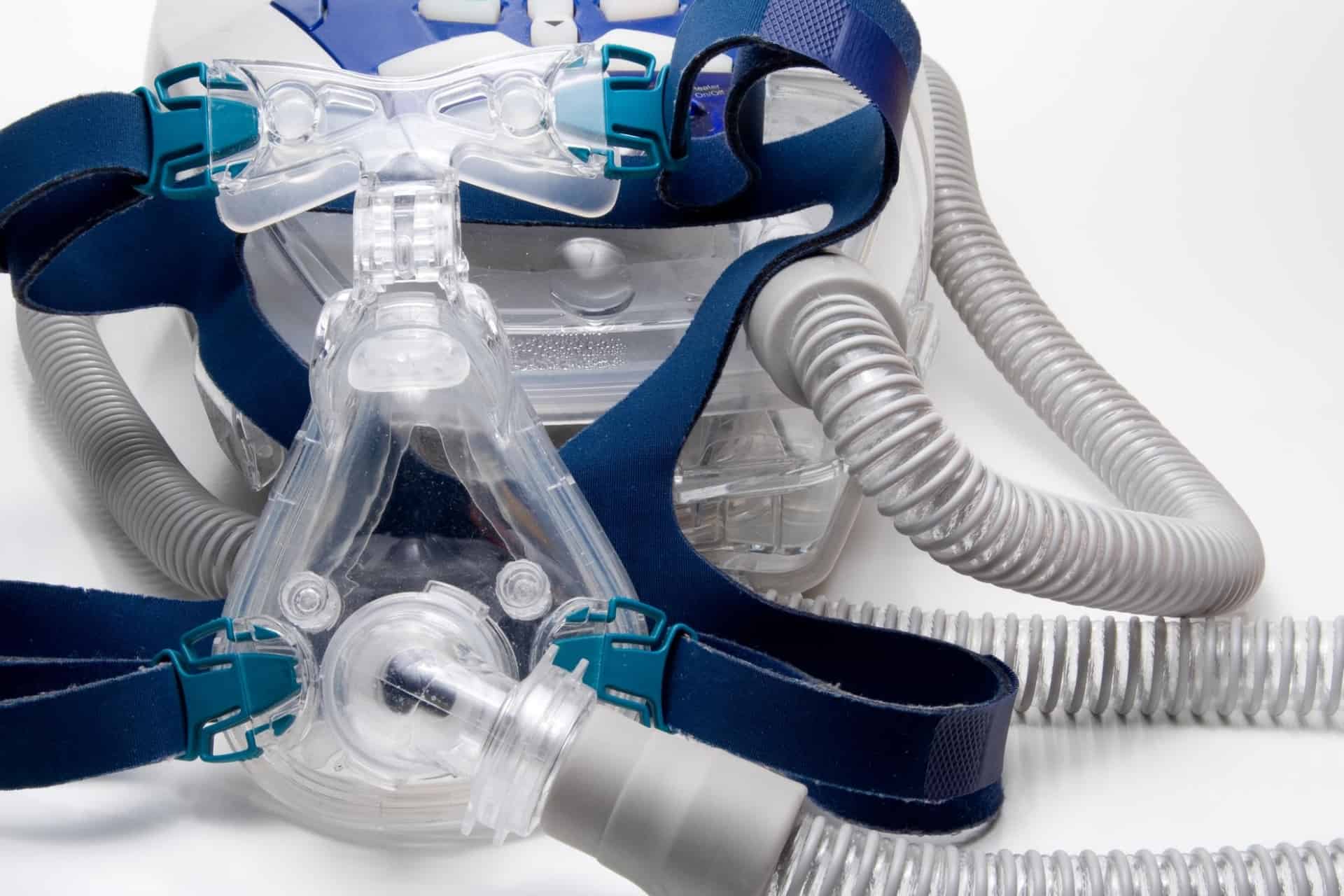
CPAP Mask

Benefits of Upgrading to 2026 Mask Models

Upgrading from a 3-year-old mask to a 2026 model offers several physiological and lifestyle benefits:

  • Enhanced QuietAir™ Venting: New masks feature diffused venting that breaks up exhaled air, making the therapy virtually silent ($<21$ dB).
  • Reduced Facial Marks: Minimalist frames mean fewer contact points on the nasal bridge, preventing the “CPAP nose” look in the morning.
  • Higher Pressure Tolerance: Advanced seals can now handle pressures up to $30\text{ cmH}_2\text{O}$ without leaking, whereas older models often failed above $15\text{ cmH}_2\text{O}$.

Step-by-Step: How to Choose Your Perfect Mask

Selecting a mask is a systematic process. Follow this framework to narrow down your options:

  1. Identify Your Breathing Path: Do you wake up with a dry mouth? If yes, you likely need a Full Face mask (like the AirFit F40). If you strictly breathe through your nose, a Nasal or Pillow mask is lighter.
  2. Determine Your Sleep Position: Side sleepers need a mask with a low profile (like the F&P Solo or AirFit P30i) so the pillow doesn’t dislodge the seal.
  3. Check Your Pressure Settings: High-pressure users ($>12\text{ cmH}_2\text{O}$) generally require more stable masks like the ResMed AirFit N20 or F&P Vitera.
  4. Measure for Size: Use a manufacturer-specific sizing gauge. A “Medium” in ResMed is not the same as a “Medium” in Fisher & Paykel.

Common Mistakes to Avoid

  • Overtightening the Straps: Most modern masks are designed to “inflate” with air to create a seal. If you pull the straps too tight, you flatten the cushion and actually cause more leaks.
  • Using the Wrong Cleaning Agents: Avoid dish soap or alcohol. These break down the silicone polymers, leading to a yellowed, “sticky” cushion that won’t seal.
  • Ignoring “Mouth Leak”: Using a nasal mask when you are a mouth breather leads to ineffective therapy. If you prefer a nasal mask but have a “leaky” mouth, consider a Chin Strap.

Frequently Asked Questions (FAQ)

1. How often should I replace my CPAP mask?

In Australia, clinicians recommend replacing the silicone cushion every 6 months and the entire mask system every 12 months. Memory foam cushions (like the AirTouch series) should be replaced every 30 days.

2. Can I use a ResMed mask with a Fisher & Paykel machine?

Yes. All CPAP masks use a universal 22mm connection, making them compatible with almost all machines, including the AirSense 11 and F&P SleepStyle.

3. Which CPAP mask is best for side sleepers?

The ResMed AirFit P30i and F&P Solo are top choices for 2026. Their minimalist designs and (in the case of the P30i) top-of-head tube connection prevent the hose from getting caught under your body.

4. Why does my CPAP mask leak when I lie on my side?

This is usually caused by the pillow pushing against the mask frame. Switching to a “Minimalist” category mask or using a dedicated CPAP Pillow with cut-outs can solve this.

5. Are magnetic clips safe for everyone?

Most 2026 masks (like the AirFit F40) use magnetic clips. However, patients with metallic implants (pacemakers, shunts) must ensure the magnets are kept at least 15cm away from the device. Non-magnetic versions are available.


Conclusion: Take Control of Your Sleep

The best CPAP mask of 2026 is the one you are willing to wear every single night. While the ResMed AirFit F40 offers the most advanced full-face comfort, the Fisher & Paykel Solo provides an unmatched level of simplicity for nasal users.

Next Step: Consult with your sleep technician to trial these models. Most Australian sleep clinics offer a “30-day mask guarantee,” allowing you to swap your mask if the fit isn’t perfect.

Internal Linking Suggestion: [CPAP Machine Maintenance Guide Australia]

Internal Linking Suggestion: [Understanding Sleep Apnea Symptoms]

External References:

  • Refer to the Australasian Sleep Association for clinical guidelines on CPAP therapy.
  • Consult the Therapeutic Goods Administration (TGA) for medical device safety in Australia.

Best Oxygen Machine Guide 2026: Melbourne Buyer’s Manual

Posted on January 18, 2026January 18, 2026 By admin
Best Oxygen Machine Guide 2026: Melbourne Buyer’s Manual
Oxygen Concentrator

Selecting the right oxygen machine is a critical decision for anyone managing chronic respiratory conditions like COPD, emphysema, or sleep apnea. In Australia, and specifically within the Melbourne healthcare landscape, the shift from the traditional oxygen tank toward advanced concentrators has transformed patient mobility and quality of life.

Whether you are looking for a stationary unit for home use or a lightweight portable device for trips to the Yarra Valley, understanding the technology behind supplemental oxygen is essential. This guide provides a comprehensive deep dive into selecting, maintaining, and optimizing your oxygen therapy for long-term health outcomes.


What is an Oxygen Machine?

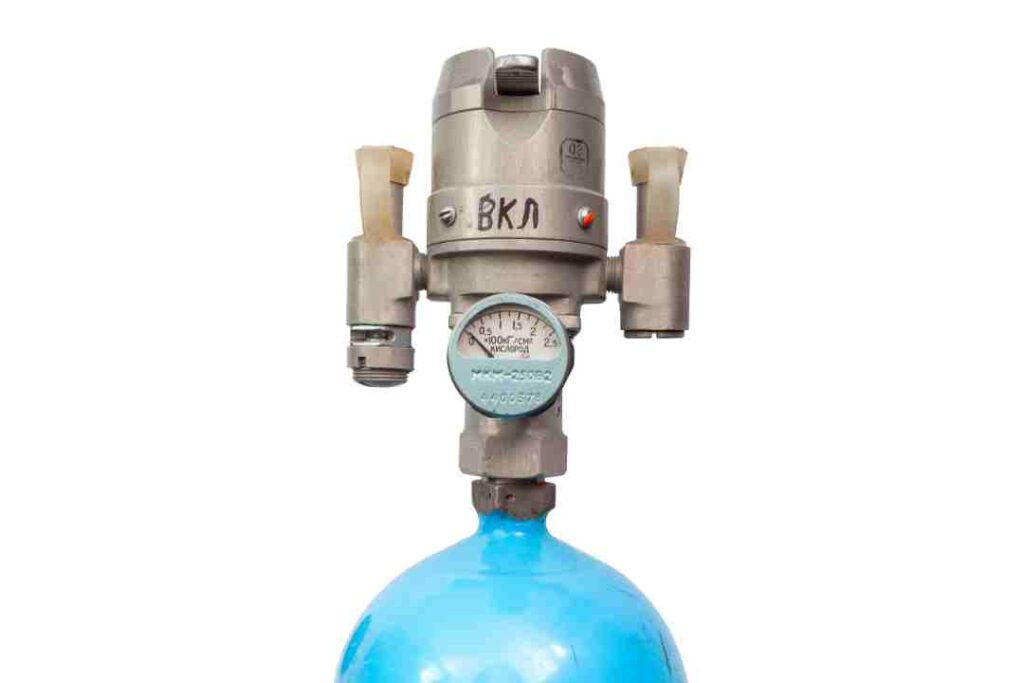
An oxygen machine, technically known as an oxygen concentrator, is a medical device that filters ambient air to provide a concentrated stream of oxygen. Unlike an oxygen tank, which holds a finite amount of pressurized gas, a concentrator pulls in the surrounding air (which is roughly 21% oxygen and 78% nitrogen), removes the nitrogen through a molecular sieve, and delivers medical-grade oxygen (often 90–95% purity) to the user.

How Oxygen Concentrators Differ from Oxygen Tanks

While both provide supplemental oxygen, their delivery methods are fundamentally different:

  • Continuous Supply: A concentrator never “runs out” as long as it has power.
  • Safety: Concentrators do not store high-pressure gas, reducing the risk of leaks or combustion.
  • Logistics: You don’t need to wait for delivery refills or swap heavy cylinders.

How an Oxygen Machine Works: The Science of Sieve Beds

To understand why an oxygen machine is efficient, we must look at the Pressure Swing Adsorption (PSA) process.

The 4-Step Filtration Process

  1. Air Intake: The machine draws in room air through a series of filters.
  2. Compression: An internal compressor increases the air pressure.
  3. Nitrogen Adsorption: The air passes through two “sieve beds” filled with Zeolite. The Zeolite captures nitrogen molecules while allowing oxygen to pass through.
  4. Delivery: The concentrated oxygen is delivered via a nasal cannula or mask, while the trapped nitrogen is released back into the atmosphere.

Benefits of Modern Oxygen Machines for Melbourne Residents

Living in Melbourne means navigating a variable climate and a bustling urban environment. Modern oxygen technology offers several distinct advantages for local users:

1. Enhanced Mobility and Independence

Portable Oxygen Concentrators (POCs) allow users to maintain an active lifestyle. Whether you are walking through the Royal Botanic Gardens or catching a flight from Tullamarine, these battery-operated units provide freedom that a heavy oxygen tank simply cannot match.

2. Cost-Effectiveness Over Time

While the upfront cost of an oxygen machine is higher than a single tank, the elimination of recurring refill fees and delivery charges makes it a more economical long-term investment.

3. Reliability During Emergencies

Many home units are now equipped with robust battery backups and “smart” alarms that alert users to power failures or low oxygen purity, ensuring constant peace of mind.


Comparing Types: Home vs. Portable Oxygen Machines

FeatureStationary (Home) ConcentratorsPortable Oxygen Concentrators (POC)
Flow RateHigher (up to 10LPM)Lower (usually 1-5 Pulse)
Weight10kg – 25kg1.5kg – 8kg
Power SourceAC Power (Wall Outlet)Rechargeable Battery + AC/DC
Best ForSleeping & Heavy Home UseTravel, Shopping, Exercise

Key Features to Consider Before Purchasing

oxygen machine

When browsing for an oxygen machine in the Australian market, focus on these five critical metrics:

1. Flow Type: Continuous vs. Pulse Dose

  • Continuous Flow: Delivers oxygen at a constant rate regardless of breathing patterns. Essential for sleep.
  • Pulse Dose: Delivers a “bolus” of oxygen only when it detects an inhalation. This saves battery life in portable units.

2. Battery Life (for Portables)

Look for machines that offer “Extended Battery” options. If you plan on long drives along the Great Ocean Road, ensure your DC car charger is compatible with the unit.

3. Noise Levels

Measured in decibels (dB), look for units under 45dB if you are sensitive to noise during sleep.

4. Therapeutic Purity

A high-quality oxygen machine should consistently deliver oxygen levels between 87% and 96%.


A Step-by-Step Guide to Setting Up Your Device

  1. Placement: Position your stationary unit at least 30cm away from walls or furniture to ensure proper airflow and cooling.
  2. Filter Check: Ensure the gross particle filter is clean and dry before turning the machine on.
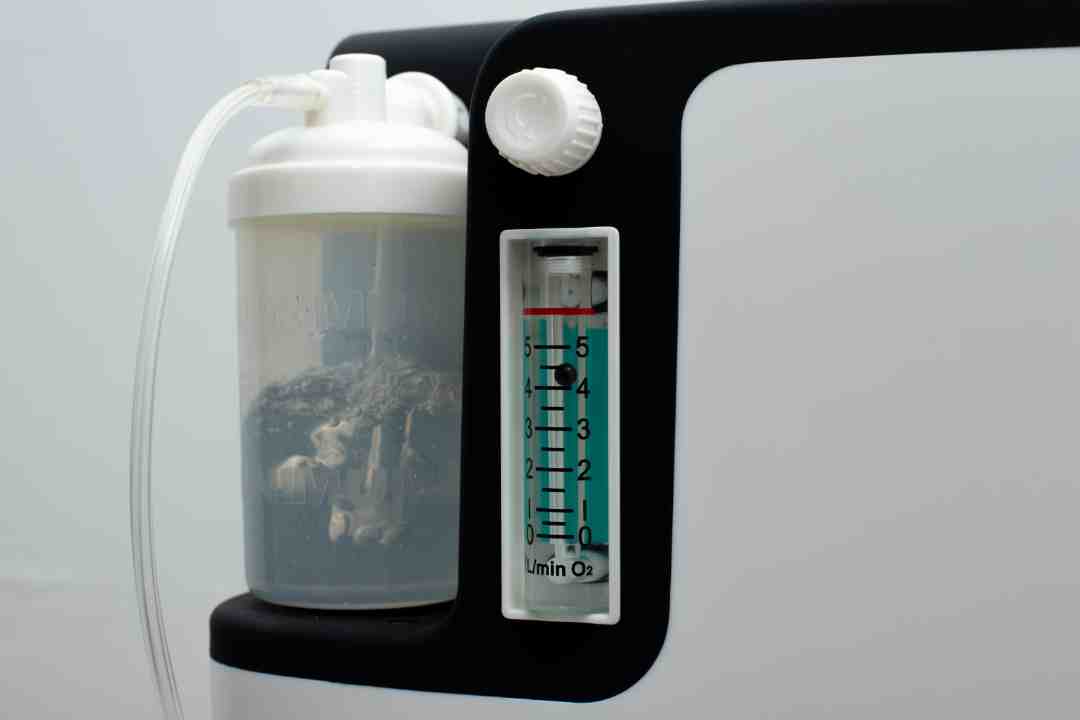
  3. Water Level: If using a humidifier bottle (common for flow rates over 3LPM), fill it with distilled water to the indicated line.
  4. Power On: Plug the unit into a dedicated wall outlet (avoid power boards).
  5. Adjust Flow: Turn the flow meter to the exact level prescribed by your respiratory specialist.

Best Practices for Oxygen Safety and Maintenance

Maintaining your oxygen machine ensures longevity and medical efficacy.

  • Weekly Filter Cleaning: Wash the external sponge filter in warm, soapy water, rinse thoroughly, and air dry.
  • Cannula Replacement: Replace your nasal cannula every 2–4 weeks to prevent bacteria buildup and maintain comfort.
  • Fire Safety: Never smoke or use open flames (candles, gas stoves) within 3 metres of your oxygen source. Oxygen is an accelerant and makes fires burn much hotter and faster.
  • Avoid Oil-Based Products: Do not use petroleum jelly (Vicks, Vaseline) on your nose or face while using oxygen, as it creates a combustion risk. Use water-based lubricants instead.

Common Mistakes to Avoid

  • Self-Adjusting Flow Rates: Never increase your oxygen flow without a doctor’s order. Excess oxygen can lead to oxygen toxicity or CO2 retention.
  • Ignoring Alarms: If your machine beeps, check the user manual immediately. It may indicate a kink in the tubing or a drop in purity.
  • Buying Uncertified Gear: Ensure any oxygen machine you purchase is TGA-approved (Therapeutic Goods Administration) for use in Australia.

Internal Linking & Resource Suggestions

To further your understanding of respiratory health and equipment, consider exploring these topics:

  • Comparing the best portable oxygen concentrators for travel.
  • How to clean and sanitize your CPAP and oxygen equipment.
  • Navigating the NDIS for respiratory support funding.

Authoritative External References:

  • Lung Foundation Australia: Guidelines for Home Oxygen Therapy.
  • Thoracic Society of Australia and New Zealand (TSANZ): Clinical Standards.

FAQ: Frequently Asked Questions about Oxygen Machines

What is the difference between an oxygen machine and an oxygen tank?

An oxygen machine concentrates air from the room to provide an endless supply, whereas an oxygen tank contains a fixed amount of compressed oxygen that requires regular refills.

Can I use a portable oxygen machine on a flight?

Yes, most major airlines (including Qantas and Virgin Australia) allow FAA-approved portable oxygen concentrators. You must notify the airline in advance and ensure you have enough battery life for 150% of the flight duration.

How much electricity does a home oxygen concentrator use?

Most modern units use approximately the same amount of electricity as a standard refrigerator. It is advisable to notify your energy provider, as some states offer rebates for life-support equipment.

Does an oxygen machine make the room hot?

Because the compressor generates heat, a stationary machine can slightly increase the temperature in a small, poorly ventilated room. Always keep the area well-ventilated.

How often should I service my oxygen machine?

Professional servicing is typically recommended every 12 months or after 5,000 hours of use to check the sieve beds and internal pressure settings.


Conclusion: Investing in Your Respiratory Health

Choosing the right oxygen machine is about balancing your clinical needs with your lifestyle goals. For Melbourne residents, the shift toward portable technology has opened up new possibilities for social engagement and outdoor activity without the burden of a heavy oxygen tank.

By prioritizing TGA-approved devices, maintaining a strict cleaning schedule, and following your healthcare provider’s prescription, you can ensure that your oxygen therapy is both safe and effective.

What to Look for When Buying a Portable Oxygen Concentrator in Australia

Posted on November 24, 2025November 24, 2025 By admin
What to Look for When Buying a Portable Oxygen Concentrator in Australia
Oxygen Concentrator

Introduction

If you or a loved one require oxygen therapy at home, purchasing a portable oxygen concentrator is a critical decision. These devices help provide the necessary oxygen supply to individuals with respiratory conditions like COPD, asthma, and emphysema. In Australia, portable oxygen concentrators are widely available, but with so many options on the market, it can be overwhelming to choose the right one. This guide will explain what you should look for when buying a portable oxygen concentrator in Australia, including key features, pricing, and where to purchase them.

What is a Portable Oxygen Concentrator?

A portable oxygen concentrator is a device that delivers a continuous supply of oxygen to patients who require supplemental oxygen. Unlike traditional oxygen tanks, which need to be replaced or refilled, oxygen concentrators work by filtering oxygen from the air, concentrating it, and delivering it to the user. They are ideal for people who need oxygen therapy at home but also want mobility and independence.

There are two main types of portable oxygen concentrators: pulse dose and continuous flow. Pulse dose devices deliver oxygen only when the user inhales, while continuous flow devices provide a constant supply of oxygen. The right option depends on your specific needs and medical condition. Click here to read about Home Sleep Study Sydney: Convenience and Comfort for Better Sleep Health.

Key Features to Look for in a Portable Oxygen Concentrator

When shopping for a portable oxygen concentrator, it’s important to consider several factors to ensure the device meets your specific needs. Here’s a breakdown of the essential features you should look for:

1. Oxygen Flow Rate

The oxygen flow rate is one of the most important features to consider. This determines how much oxygen the device can deliver per minute, typically measured in liters per minute (LPM). The flow rate you need will depend on your condition and your doctor’s recommendations.

  • Pulse dose models usually provide flow rates of 1-3 LPM.
  • Continuous flow models typically offer flow rates ranging from 1-5 LPM.

For patients with moderate to severe conditions, a higher flow rate may be required, while a mini portable oxygen concentrator might suffice for those with mild oxygen needs.

2. Battery Life

Battery life is an essential factor, especially if you need to use your portable oxygen machine while traveling or outside your home. Look for models with long-lasting batteries that provide at least 4-8 hours of continuous use. Some models, like the Inogen One G5 and Philips SimplyGo, offer swappable batteries, which means you can extend the battery life for longer trips.

medical-oxygen-concentrator

3. Portability and Weight

One of the key advantages of a portable oxygen concentrator is its mobility. Look for a device that is lightweight and compact enough to fit into your lifestyle. Typically, portable oxygen concentrators weigh between 2-5 kg, with mini portable oxygen concentrators being on the lighter end of the spectrum. Models like the Zen-O Portable Oxygen Concentrator or Inogen One are known for their portability, making them ideal for travel and everyday use.

4. Noise Level

Since oxygen concentrators often need to be used for extended periods, especially at night, noise level is an important consideration. Some devices are quieter than others, making them more comfortable for use during sleep or while engaging in quiet activities. The Philips SimplyGo Portable Oxygen Concentrator is one of the quieter models available, operating at only around 43 decibels.

5. Ease of Use and Maintenance

The ease of use is an important factor to ensure you can operate the portable oxygen concentrator without difficulty. Look for devices with simple controls and clear indicators. It’s also important to consider the maintenance requirements—some models require more frequent cleaning, while others are designed to be more low-maintenance. Many oxygen concentrators come with filters that need to be replaced every few months.

6. Price and Warranty

Portable oxygen concentrators can be a significant investment, with prices ranging from AUD 2,000 to AUD 6,000 depending on the model and features. While the upfront cost may seem high, consider the long-term savings. Unlike oxygen tanks, which require refills, oxygen concentrators eliminate that recurring expense.

Additionally, check for warranty and customer support options. Many suppliers offer warranties of 1-5 years, ensuring you are covered for any defects or issues with the device.

Where to Buy a Portable Oxygen Concentrator in Australia

If you’re wondering “where can I buy or rent a portable oxygen concentrator machine”, there are several reliable options in Australia. You can find oxygen concentrators for sale through both online and physical retailers.

1. Oxygen Australia

Oxygen Australia is a leading supplier of home oxygen machines. They offer a variety of portable oxygen concentrators, including popular models like Philips SimplyGo and Inogen One G5. Their website allows you to purchase or rent oxygen machines for home use, with home delivery available.

2. Lincare Australia

Lincare Australia offers a wide selection of portable oxygen concentrators for sale or rent. They provide medical oxygen supplies and support services, including training for patients on how to use their oxygen concentrator.

3. Chemist Warehouse

Chemist Warehouse is another retailer that may offer oxygen concentrators in Australia. While it’s more commonly known for its pharmacy products, they also sell medical devices, including oxygen masks for home use, oxygen tanks, and portable oxygen concentrators.

4. Online Retailers (Amazon, eBay)

If you prefer the convenience of shopping online, Amazon Australia and eBay offer various models of portable oxygen concentrators at competitive prices. Be sure to check the seller ratings and reviews to ensure you’re buying from a reputable source.

Portable Oxygen Concentrator Price in Australia

The portable oxygen concentrator price in Australia varies depending on the model, brand, and features. Generally, you can expect to pay:

  • Mini Portable Oxygen Concentrators: AUD 2,000 to AUD 4,000
  • Standard Portable Oxygen Concentrators: AUD 3,000 to AUD 6,000

Keep in mind that additional accessories, such as extra batteries, chargers, or carrying cases, may add to the cost.

Conclusion

Choosing the right portable oxygen concentrator for your needs is an important decision that can greatly improve your quality of life. When buying a home oxygen machine, consider factors such as oxygen flow rate, battery life, portability, noise level, and price. In Australia, there are numerous reliable suppliers where you can purchase or rent oxygen machines for home use, including Oxygen Australia, Lincare, and online retailers like Amazon and eBay.

FAQs

How much does a portable oxygen concentrator cost in Australia?

The price of a portable oxygen concentrator in Australia ranges from AUD 2,000 to AUD 6,000 depending on the brand, model, and features.

Where can I rent a portable oxygen concentrator in Australia?

You can rent portable oxygen concentrators from Oxygen Australia, Lincare Australia, and some online retailers like Amazon.

What factors should I consider when buying a portable oxygen concentrator?

When choosing a portable oxygen concentrator, consider the oxygen flow rate, battery life, portability, noise level, and price.

Are mini portable oxygen concentrators available in Australia?

Yes, mini portable oxygen concentrators are available in Australia from retailers like Oxygen Australia and eBay.

CPAP Therapy Explained: How It Works and Why It’s Essential for Sleep Apnea Patients

Posted on October 29, 2025October 29, 2025 By admin
CPAP Therapy Explained: How It Works and Why It’s Essential for Sleep Apnea Patients
CPAP Machines

For millions of people struggling with sleep apnea, a good night’s sleep can feel like an impossible dream. Interrupted breathing, loud snoring, and constant fatigue can take a toll on both your physical and emotional health. Fortunately, CPAP therapy has become one of the most effective and widely prescribed sleep apnea treatments — helping patients breathe easier and sleep better.

If you’ve recently been diagnosed with sleep apnea or are curious about how CPAP therapy works, this guide will explain everything you need to know — from how the machines function to why consistent use can dramatically improve your sleep quality and overall well-being.


What Is Sleep Apnea?

Sleep apnea is a serious sleep disorder in which breathing repeatedly stops and starts during sleep. These pauses, called apneas, can last from a few seconds to a minute and may occur dozens of times per hour.

Common Sleep Apnea Symptoms

  • Loud, chronic snoring
  • Gasping or choking during sleep
  • Morning headaches
  • Persistent fatigue or daytime sleepiness
  • Difficulty concentrating or mood changes

There are two main types of sleep apnea:

  • Obstructive Sleep Apnea (OSA): Caused by the relaxation of throat muscles that block the airway.
  • Central Sleep Apnea (CSA): Occurs when the brain fails to send proper signals to the muscles that control breathing.

Regardless of type, untreated sleep apnea can lead to serious complications such as high blood pressure, heart disease, stroke, and metabolic disorders.


What Is CPAP Therapy?

CPAP therapy — short for Continuous Positive Airway Pressure — is the most common and effective treatment for obstructive sleep apnea. A CPAP machine delivers a steady stream of pressurized air through a mask, keeping your airway open while you sleep.

This continuous airflow prevents the soft tissues in your throat from collapsing, allowing you to breathe normally throughout the night.

Key Components of a CPAP Machine

  • Motor: Generates a steady stream of air pressure.
  • Tubing: Carries air from the machine to the mask.
  • Mask: Worn over your nose, mouth, or both to deliver air directly into your airway.
  • Humidifier (optional): Adds moisture to prevent dryness and irritation.

How CPAP Therapy Improves Sleep and Breathing

When you use a CPAP machine correctly, it effectively eliminates breathing interruptions. That means no more gasping for air, snoring, or sudden awakenings during the night.

Here’s How It Helps:

  • Restores Oxygen Flow: Keeps oxygen levels steady while you sleep.
  • Prevents Airway Collapse: Continuous air pressure ensures your airway stays open.
  • Reduces Snoring: By stabilizing airflow, CPAP reduces or eliminates snoring altogether.
  • Promotes Restorative Sleep: Deep, uninterrupted sleep helps the body recover and restore energy.

The Health Benefits of CPAP Therapy

Using a CPAP machine consistently offers both short-term and long-term health improvements.

Short-Term Benefits

  • Increased daytime alertness
  • Reduced morning headaches
  • Improved focus and mood
  • Enhanced overall sleep quality

Long-Term Benefits

  • Lowered risk of heart disease and sleep apnea-related complications
  • Better control of blood pressure
  • Reduced risk of stroke and diabetes
  • Improved mental health and cognitive performance

What Happens If Sleep Apnea Is Left Untreated

Ignoring sleep apnea symptoms can lead to more than just poor sleep — it can seriously affect your long-term health.

Potential Complications Include:

  • High Blood Pressure: Repeated oxygen drops strain the heart and blood vessels.
  • Heart Disease: Increases the risk of arrhythmias, heart attacks, and heart failure.
  • Stroke: Reduced oxygen disrupts blood flow to the brain.
  • Chronic Fatigue: Lack of restorative sleep leads to daytime drowsiness and poor concentration.

By restoring normal breathing and oxygen flow, CPAP therapy helps prevent these complications and supports healthy sleep for years to come.

CPAP Machines

Tips for New CPAP Users

Starting CPAP therapy may take some getting used to, but with the right approach, you can make it a comfortable part of your nightly routine.

1. Choose the Right Mask

Your comfort largely depends on the mask fit. Try different types — nasal pillows, nasal masks, or full-face masks — to find what works best.

2. Use the Ramp Feature

Most CPAP machines allow you to start with a lower pressure that gradually increases, making it easier to fall asleep.

3. Keep Your Equipment Clean

Clean your mask, tubing, and humidifier chamber regularly with mild soap and warm water to prevent bacteria buildup.

4. Adjust to Comfort

If you experience dryness or nasal irritation, consider adding a heated humidifier or using saline sprays.

5. Stick With It

Consistency is key. Even one night without CPAP therapy can cause your symptoms to return. Over time, it becomes second nature — and the benefits are well worth it.


Real-World Example: A Success Story

Take John, a 52-year-old office worker diagnosed with obstructive sleep apnea. Before CPAP therapy, he suffered from constant fatigue and high blood pressure. Within a month of consistent use, his energy levels improved dramatically, and his blood pressure began to normalize.

His story mirrors that of millions of others who’ve found CPAP therapy to be life-changing.


The Role of Sleep Studies and Sleep Medicine

Before starting CPAP therapy, most patients undergo a sleep study — either at a clinic or at home — to monitor breathing, heart rate, and oxygen levels. These results help doctors determine the best pressure settings and mask type for each patient.

Ongoing consultations with sleep medicine specialists ensure your therapy remains effective and comfortable over time.


Maintaining Your CPAP Machine for Longevity

To get the most out of your device, proper maintenance is essential.

Maintenance Checklist:

  • Daily: Wipe your mask and check for leaks.
  • Weekly: Wash tubing and humidifier with warm, soapy water.
  • Monthly: Inspect filters and replace if dirty.
  • Annually: Replace tubing, mask, and headgear as needed.

Proper care not only extends your machine’s lifespan but also ensures cleaner, healthier air during sleep.


Final Thoughts: CPAP Therapy Can Change Your Life

CPAP therapy is more than a treatment — it’s a pathway to better health, energy, and quality of life. By keeping your airway open and ensuring steady oxygen flow, it helps your body get the restorative rest it deserves.

If you’ve been diagnosed with sleep apnea, don’t delay treatment. With consistent use and proper care, CPAP therapy can help you reclaim your nights — and your mornings.

FAQS

How does a CPAP machine work for sleep apnea?

A CPAP machine delivers constant air pressure through a mask, keeping your airway open while you sleep. This prevents pauses in breathing, improves oxygen flow, and helps you achieve deeper, more restorative sleep without interruptions.

Can CPAP therapy improve daytime fatigue?

Yes. Many people notice better focus, energy, and alertness after using a CPAP machine consistently. By eliminating nighttime breathing disruptions, your body gets the deep, quality sleep needed to recharge fully and reduce excessive daytime sleepiness.

Are there side effects of using a CPAP machine?

Some users experience mild side effects such as nasal dryness, mask discomfort, or air leakage. These are easily managed with proper mask fitting, humidifiers, or consulting a sleep specialist to adjust pressure settings for optimal comfort.

How long does it take to see results from CPAP therapy?

Many users notice improvements in sleep quality and energy levels within the first few days. However, consistent use is key. Most sleep specialists recommend using CPAP every night to achieve long-term benefits for heart health and breathing.

Posts pagination

1 2 3 Next

Recent Posts

  • Sleep Disorders Test Sydney: Which Assessment Fits Your Symptoms?

    Sleep Disorders Test Sydney: Which Assessment Fits Your Symptoms?

    October 20, 2026
    A sleep disorders test in Sydney is chosen to match the symptom pattern, not as a one-size-fits-all check. A GP may start with a history and sleep diary, then refer …Read More »
  • Sleep Apnea Test Near Me Sydney: How to Choose a Clinic That Fits

    Sleep Apnea Test Near Me Sydney: How to Choose a Clinic That Fits

    October 17, 2026
    To find a suitable sleep apnoea test near you in Sydney, start with a GP referral and compare clinics on test type, total cost, wait time and physician review. The …Read More »
  • Sleep Apnea Test Medicare Australia: Referral Rules, Rebates and Bulk Billing

    Sleep Apnea Test Medicare Australia: Referral Rules, Rebates and Bulk Billing

    October 14, 2026
    Medicare may contribute to an eligible sleep apnoea test when a doctor refers you and the service meets current rules. Bulk billing means the provider accepts the benefit as full …Read More »
  • Sleep Study Cost Australia: What Medicare, Public and Private Options Include

    Sleep Study Cost Australia: What Medicare, Public and Private Options Include

    October 11, 2026
    A sleep study cost in Australia depends on the test type, provider charges, Medicare eligibility and whether the clinic bulk bills. Public services may have no direct fee for eligible …Read More »
  • How Much Is Laser Eye Surgery Without Private Health Cover?

    How Much Is Laser Eye Surgery Without Private Health Cover?

    October 8, 2026
    This guide breaks down typical costs, what changes the quote, and what Australians should ask clinics before booking. What does laser eye surgery cost in Australia without insurance? In most …Read More »

Categories

  • Best Laser Eye Surgery
  • CPAP Machine
  • CPAP Machines
  • CPAP Masks
  • Eye Care
  • Laser Eye Surgery
  • Medicare Covers Sleep Apnea Tests
  • Oxygen Concentrator
  • Retinal Treatments
  • Sleep Study
  • Sleep Study Sydney
  • Sleep Test
  • Surgery Costs

Pages

  • Privacy Policy
  • About Us
  • Contact Us
  • Privacy Policy
  • About Us
  • Contact Us

Copyright © 2026 Resmed Masks Online.

Theme: Oceanly News by ScriptsTown