A sleep disorders test in Sydney is chosen to match the symptom pattern, not as a one-size-fits-all check. A GP may start with a history and sleep diary, then refer for a home breathing test, overnight laboratory study or daytime assessment if the findings suggest a specific disorder.
Snoring is only one reason to seek Sleep Disorders Test. People also come to a Sydney GP because they cannot stay asleep, feel an uncontrollable urge to move their legs, act out dreams or are sleepy despite a regular schedule. Each pattern points to different questions, and not every problem needs an overnight machine. This guide explains how the assessment usually begins and what information helps your clinician choose the next step.
What conditions may need assessment?
Sleep clinicians assess breathing-related disorders such as obstructive sleep apnoea, movement conditions such as restless legs or periodic limb movements, unusual behaviours during sleep and severe daytime sleepiness. Insomnia is often assessed through history and a sleep diary rather than a lab recording alone.
Your symptoms may overlap. For example, repeated waking can result from breathing events, pain, anxiety, shift work or medication effects. A clinician asks about timing, frequency, daily impact and other health conditions before deciding whether a test is needed. Mention any partner observations, such as loud snoring, pauses in breathing, kicking or unusual vocalisation.
Some suspected conditions require specialist tests. A sleep physician may recommend an overnight recording followed by a daytime nap assessment when narcolepsy is being considered. These tests are different from a basic home breathing kit, which is mainly used to investigate likely sleep apnoea.
How does the first appointment work?
Your GP typically begins with a conversation about your sleep schedule, symptoms, health history and medicines. They may use a questionnaire to screen for sleepiness or breathing risk, then decide whether to manage the issue in primary care or refer you to a sleep service.
Bring a two-week sleep diary if you can. Record when you go to bed, estimated time to sleep, wake-ups, final waking, naps, caffeine, alcohol and how you feel. If you work rotating shifts near Sydney Airport, the Port Botany logistics area or in hospitality, note the roster too. An irregular schedule can create sleepiness that resembles a disorder, and the clinician needs to separate the possibilities.
A partner’s description can be especially valuable when you do not remember waking. If comfortable, bring that person to the appointment or ask them to write down what they observe. A short, factual account is more useful than trying to diagnose the condition yourself.
Which tests are used for breathing problems?
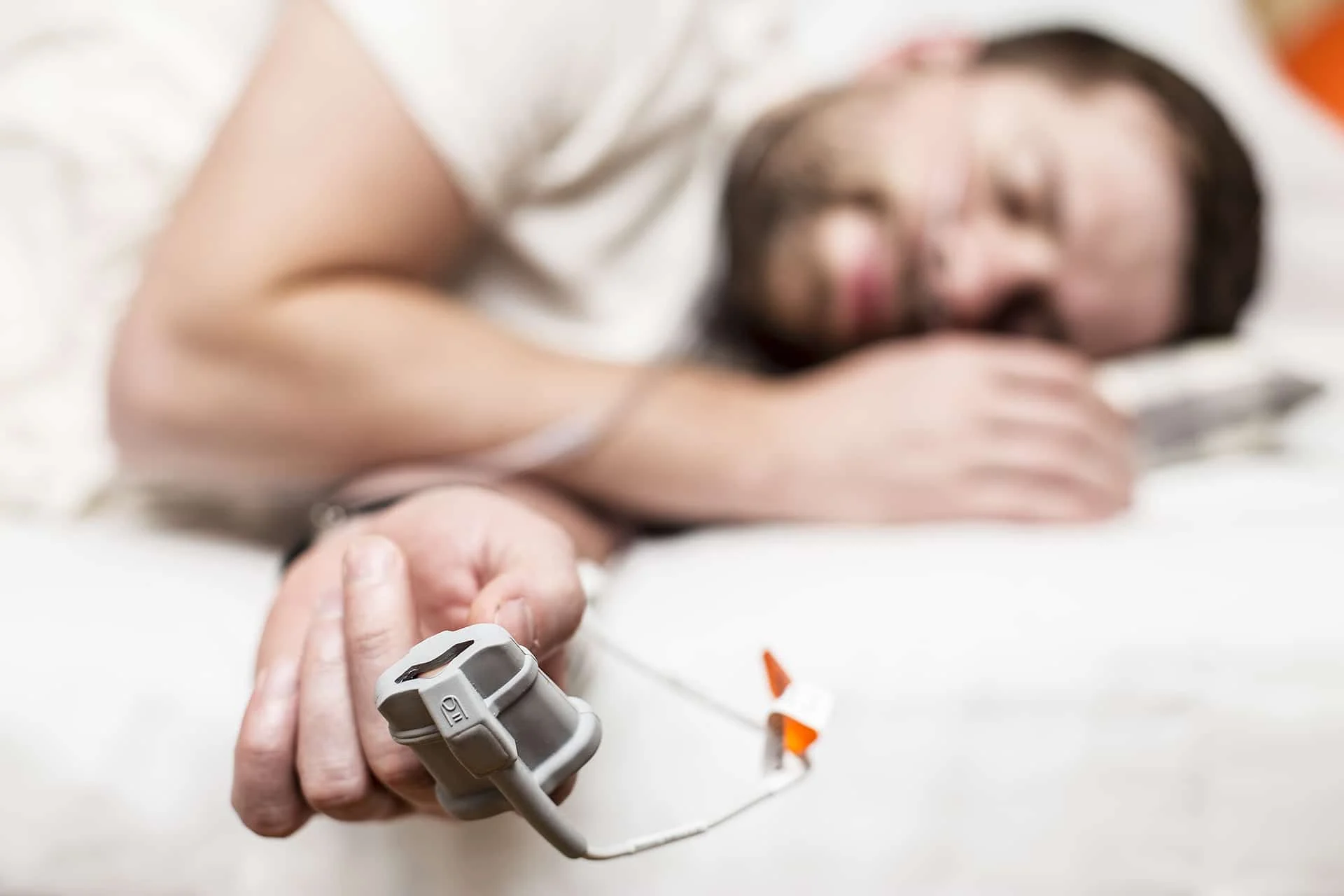
A home sleep test may measure airflow, breathing effort, oxygen and pulse, while a laboratory polysomnogram records additional signals such as brain activity and sleep stages. The doctor recommends the format based on medical history and the suspected condition.
Home testing may suit some adults with likely uncomplicated obstructive sleep apnoea. It is less suitable when significant heart or lung disease, neuromuscular conditions or another sleep disorder is suspected. If the home recording is inadequate or does not explain persistent symptoms, the sleep physician may request a lab study.
A laboratory study involves sensors attached before bed and monitoring by a technician. It can feel unusual but is not usually painful. Ask the service what the sensors record, whether a technician is on site and how the results will be explained. The goal is a clinically useful answer, not simply a large volume of data.
How are insomnia and circadian problems assessed?
Insomnia and body-clock problems are often assessed by examining patterns over time, using a sleep diary and reviewing factors that affect sleep. A single overnight test may not identify the reason a person struggles to fall asleep or wakes too early.
Your GP may ask about stress, light exposure, naps, caffeine, pain, mood and medicines. For shift workers, the time of sleep matters as much as the number of hours. A stable roster and consistent diary can help a specialist see whether the pattern fits a circadian rhythm issue or another condition.
In Sydney, bright summer evenings, early commutes and long travel times can all affect routines, but they do not automatically mean a medical disorder. If sleep difficulty persists or affects your functioning, seek clinical advice rather than relying only on generic sleep-hygiene tips.
What should you ask a sleep clinic?
Ask whether the clinic treats the symptoms you have, what assessment it recommends, who interprets the results and what the total fee includes. These questions prevent a mismatch between the referral and the service.
Confirm that the provider accepts your referral, what wait time applies and whether it offers home or lab testing. Ask how the report is returned to your GP, whether a results consultation is included and what happens if the recording is inconclusive. If a test is suggested that differs from your GP’s referral, ask the clinic to explain why and check with your doctor before proceeding.
A clinic should be clear about the limits of testing. A normal result does not always rule out every sleep problem, particularly if the test was designed to measure breathing only. Make sure there is a plan for persistent symptoms.
What happens after testing?
A sleep physician or appropriately qualified clinician reviews the data and prepares a report. Your GP or specialist explains the findings, whether the test was adequate and what treatment or further assessment is appropriate.
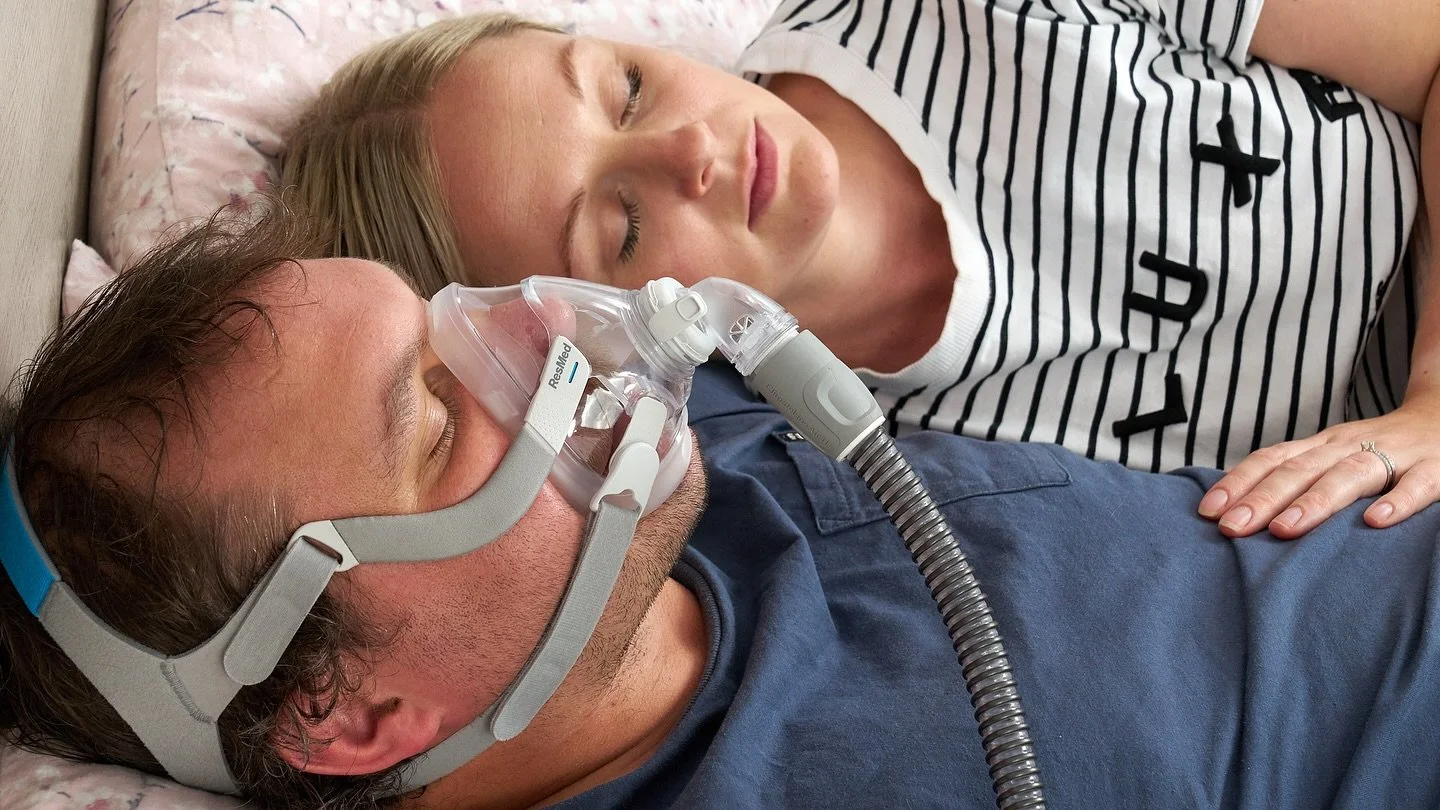
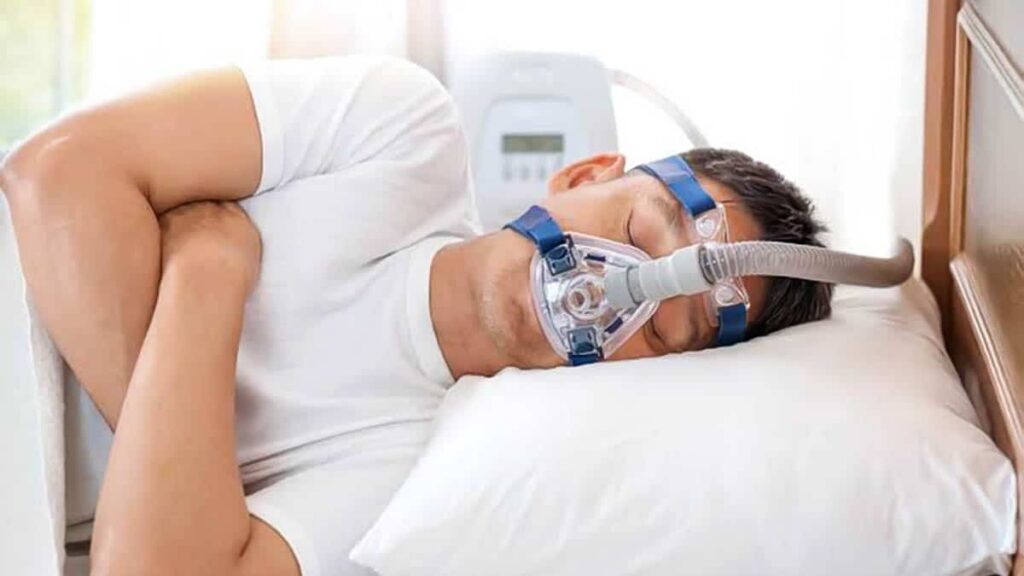
Treatment depends on the diagnosis. Options might include behavioural therapy, treatment of an underlying medical issue, CPAP, an oral appliance or specialist management. Some conditions need follow-up rather than a device. Ask what improvement to expect and when to review the plan.
If the report uses technical terms, request a plain-English explanation. You should understand what was found and what to do next. Keep a copy of the report for future appointments, particularly if you change clinics or move within Greater Sydney.

How do costs and access differ in Sydney?
Costs depend on public or private access, test type, provider and Medicare billing. Ask for an itemised estimate that includes the test, interpretation, equipment and follow-up. Public services may have waiting lists and eligibility criteria, while private providers set their own fees.
Ask your GP about local options in the Inner West, Parramatta, Westmead or the Northern Beaches, depending on where you live and how you travel. For a lab study, consider the return journey after a disrupted night. For home testing, check delivery and support arrangements. A slightly longer trip or a different booking date may be worthwhile if it suits your clinical need and budget.
For a trusted overview of sleep apnoea, use the Australian Government’s obstructive sleep apnoea guide. For research context on sleep disorders and circadian health, see Flinders University’s clinical sleep health research. A focused clinical assessment is the best starting point for choosing the right test.