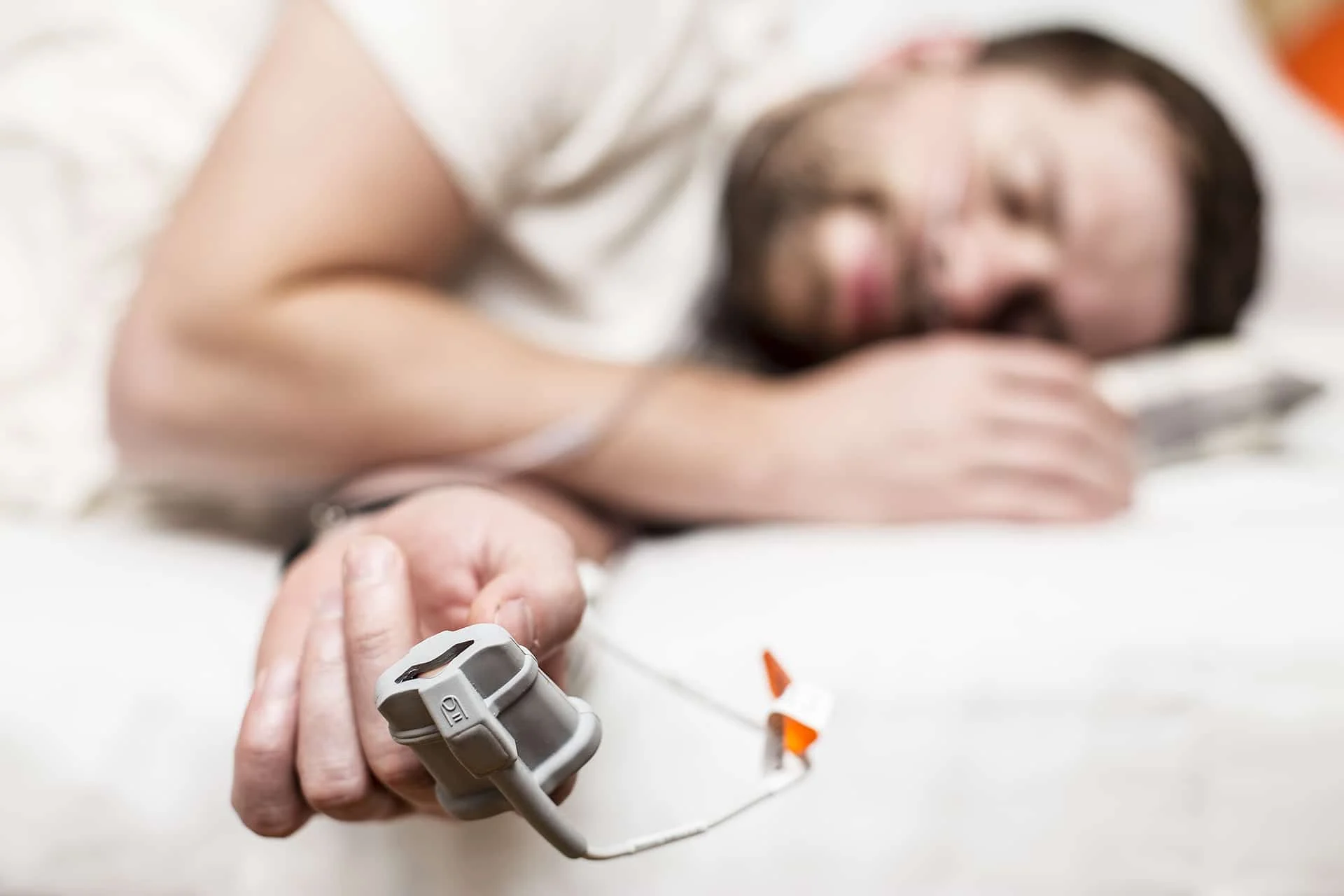

A sleep study cost in Australia depends on the test type, provider charges, Medicare eligibility and whether the clinic bulk bills. Public services may have no direct fee for eligible patients but can involve waits; private clinics may charge a gap. Request a written estimate that includes the study, report and follow-up.
When you search for a Sleep Study Cost Australia , you may see figures that look wildly different. That is often because the services are not the same: one price may cover a home kit only, while another includes a supervised lab night and physician review. For people in Sydney, travel and waiting time also affect the real cost. This guide explains the components to compare so you can budget without choosing a test on price alone.
What makes sleep study costs vary?
The main cost drivers are whether the test is performed at home or in a lab, how much monitoring it includes, and whether the provider charges above the Medicare rebate. Reporting, consultations, equipment delivery and repeat testing can add separate fees.
A home study uses portable equipment and may suit an adult with likely uncomplicated sleep apnoea. A laboratory study uses more sensors and staff time, and may be needed when symptoms or medical history are complex. Comparing the price of a home recording with a lab study is not a fair comparison unless you understand what each package includes.
The location and service pathway matter too. Public hospital access is governed by referral and clinical triage; private clinics set their fees and availability. Prices change, so check directly with each provider rather than relying on an old online estimate.

Does Medicare pay for a sleep study?
Medicare may contribute to eligible sleep testing when the referral, test and provider meet current requirements. A rebate is not the same as a guarantee of no charge: if the provider’s fee exceeds the benefit, you may pay the difference.
A bulk-billing clinic accepts the Medicare benefit as full payment for the covered service. Confirm whether this applies to your exact test and whether the report or results consultation is included. Some providers bulk bill a home study but charge separately for a follow-up; others do not bulk bill at all.
Ask your GP and the clinic how your referral will be used, then verify current rebate information through Services Australia. Because item rules can change, don’t rely on a figure quoted in a social media post or by someone who tested several years ago.
How do public and private pathways compare?
Public hospital pathways may reduce or remove the direct test fee for eligible patients, but referral criteria and waiting times vary by service. Private clinics may offer more appointment choice, but their fees and gaps vary. The best path depends on your clinical priority and budget.
In Sydney, your GP can advise which public sleep service accepts patients from your area. Clinical urgency influences triage, so include details such as witnessed breathing pauses, severe daytime sleepiness or a safety concern. If a long wait is difficult, ask whether a private or bulk-billed alternative is clinically appropriate, rather than booking a different test without advice.
Do not assume private means better or public means lower quality. Focus on who interprets your results, whether the study is appropriate and how you will receive follow-up. A clear pathway matters more than the label on the building.
What should a written quote include?
A useful quote states the test type, total provider fee, expected Medicare benefit, estimated gap and any additional charges. It should say whether the physician report, results appointment, equipment, courier or repeat recording is included.
Ask the clinic whether your referral is sufficient, whether a GP appointment is billed separately, and how long the estimate remains valid. If it quotes an “out-of-pocket” figure, ask whether that figure assumes a Medicare rebate and whether you must pay upfront. Request the quote by email so you can compare providers accurately.
For home testing, clarify delivery, return postage and support if a sensor fails. For an overnight study, ask whether accommodation or meals are included, and whether parking or transport costs are likely. These details prevent small extras turning into a larger bill.
How can you lower your out-of-pocket cost?
Get a GP referral before contacting providers, ask about bulk billing, compare like-for-like quotes and check whether a public pathway is available. If you have private health insurance, ask your insurer directly whether your policy applies to this service.
Start with your GP’s practice manager, who may know which local clinics currently bulk bill the study type on your referral. Expand your search beyond one suburb if travel is manageable. A clinic in Parramatta, Westmead or the Inner West may have a different fee and wait from a provider near the CBD, so verify rather than assume.
Avoid choosing a limited test only because it is cheaper. If your health profile calls for a lab study, a home test that cannot answer the clinical question may lead to another appointment and a higher total cost. Ask your doctor what is safe to simplify.

Is a home sleep study less expensive?
A home study often has a lower provider fee than an attended lab study, but actual savings depend on what is included and whether the result is conclusive. The kit may require a separate interpretation fee or a lab follow-up if the data is inadequate.
Home studies are commonly considered for adults with suspected uncomplicated obstructive sleep apnoea. People with certain heart or lung conditions, other suspected sleep disorders or unclear previous results may need an in-lab assessment. The clinician’s recommendation should guide the choice, not a price comparison alone.
Ask whether the home kit includes physician interpretation and what happens if the recording is technically insufficient. A provider should explain the next step before you pay.
A Sydney checklist before booking
Before confirming, check your referral, test type, total gap, report fee, wait time and return arrangements. Write down the name of the person who provided the quote and the date, then keep the estimate with your booking confirmation.
Plan the practical side too. A lab study can end early in the morning, so consider whether you can safely travel home and go to work. If you live in Penrith, Campbelltown or the Northern Beaches, the journey may be longer than the test itself. Home testing can reduce that burden when clinically suitable.
For dependable background on diagnosis and symptoms, read the Medicare Benefits Schedule details for an overnight sleep investigation. For research-based sleep science context, see Flinders University’s Sleep Health research programme. A good cost decision starts with a clear clinical recommendation and ends with a complete quote.