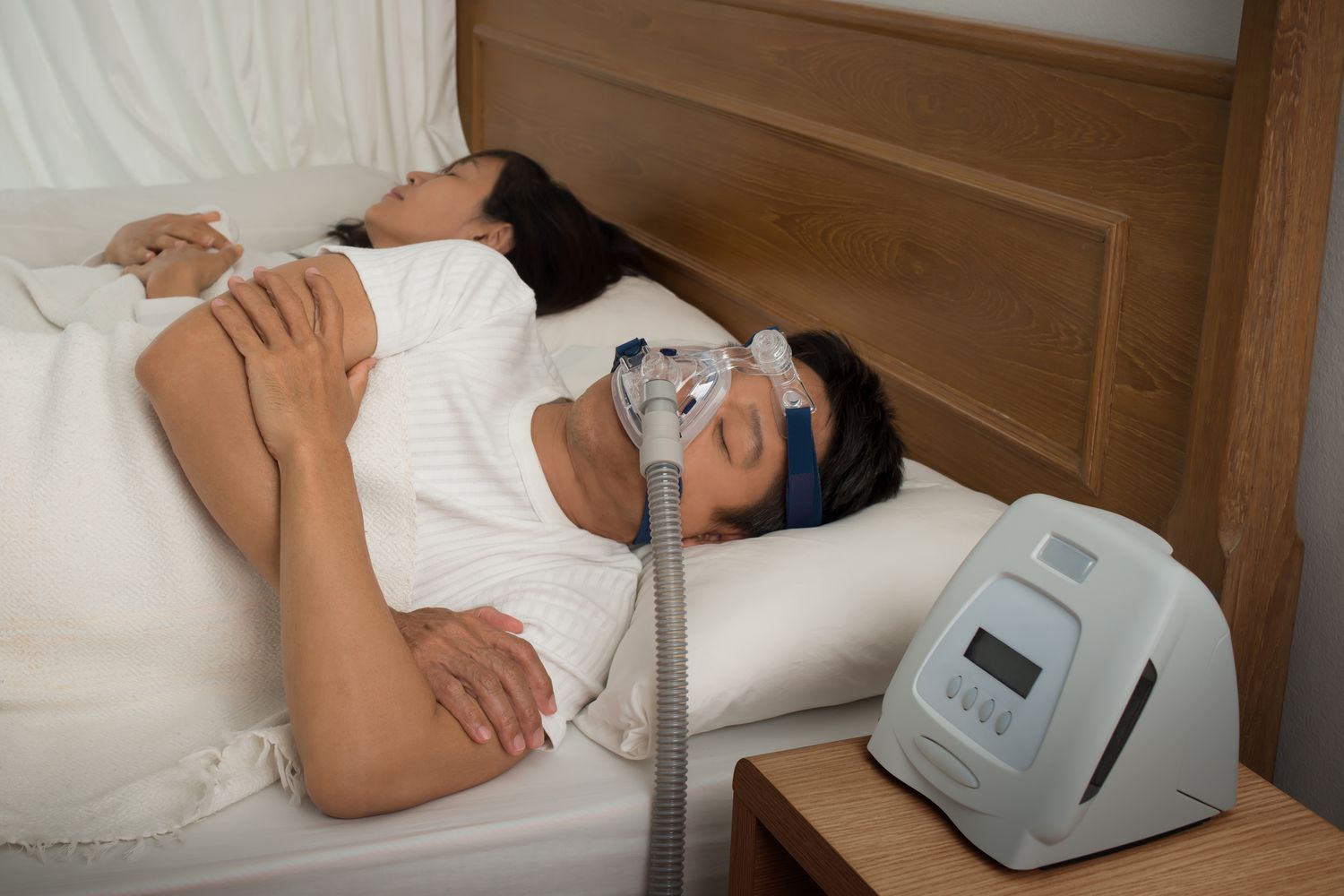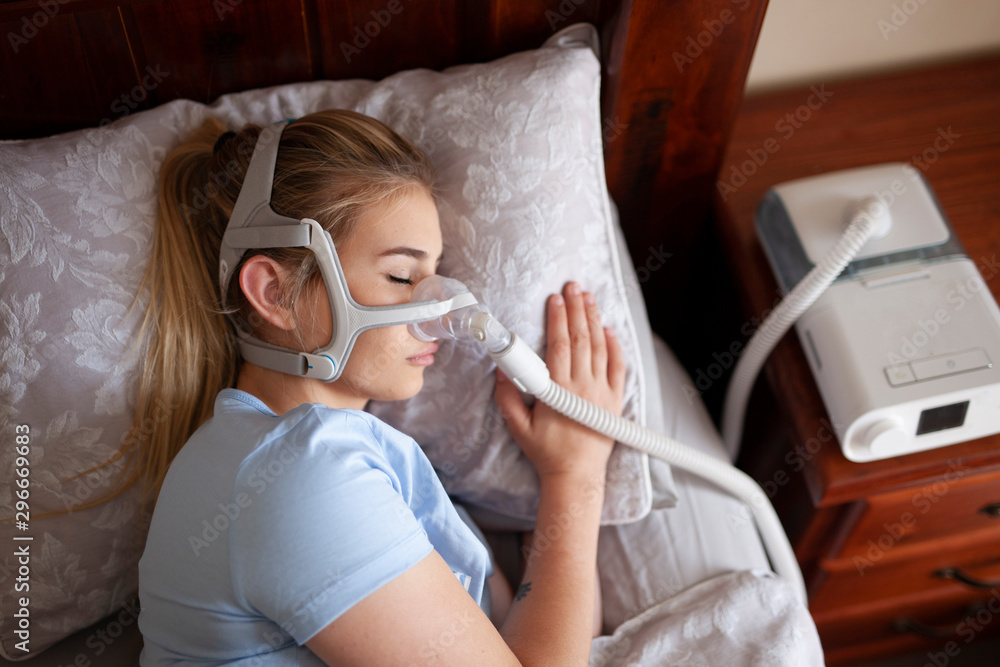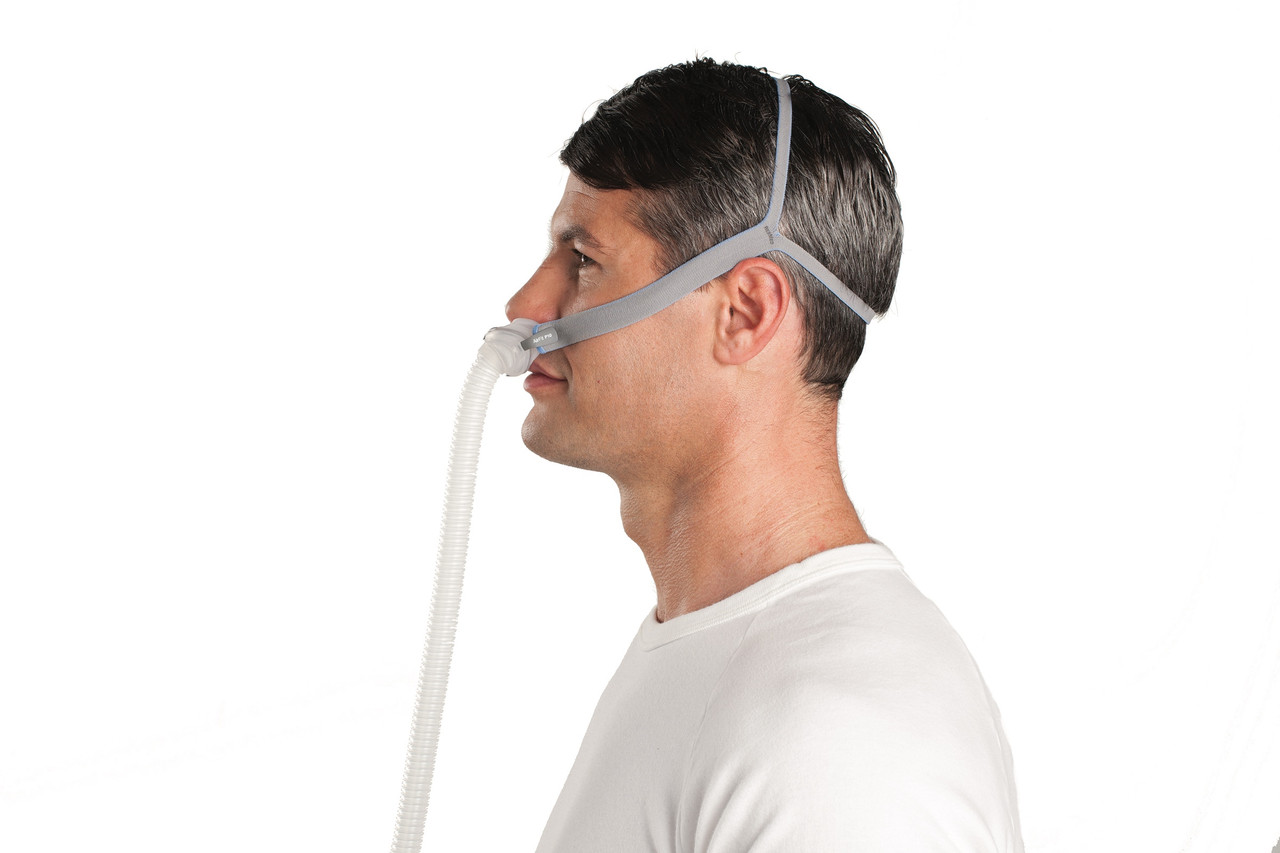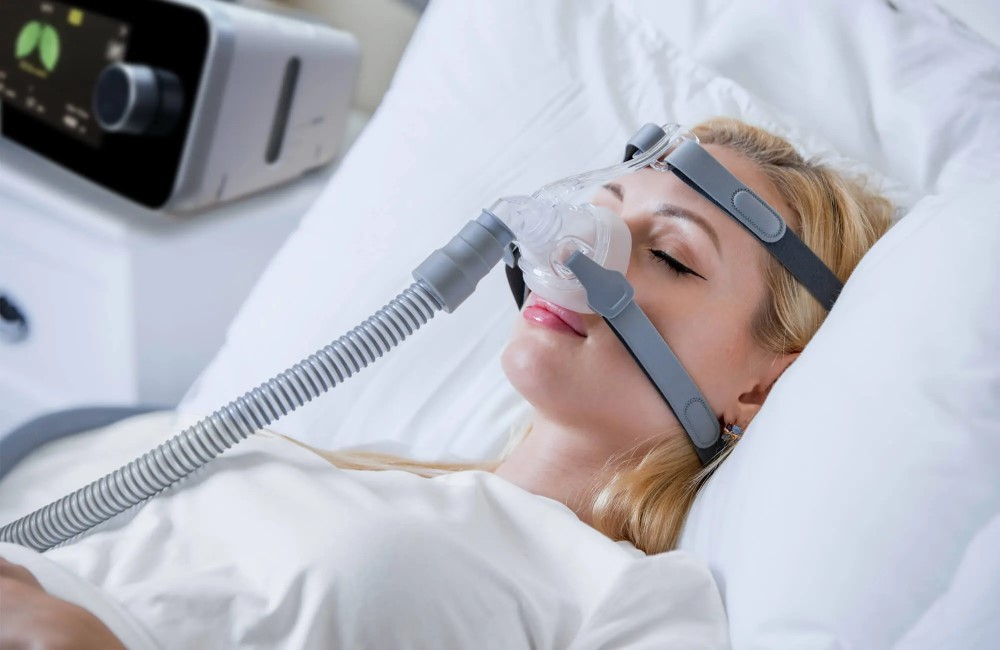
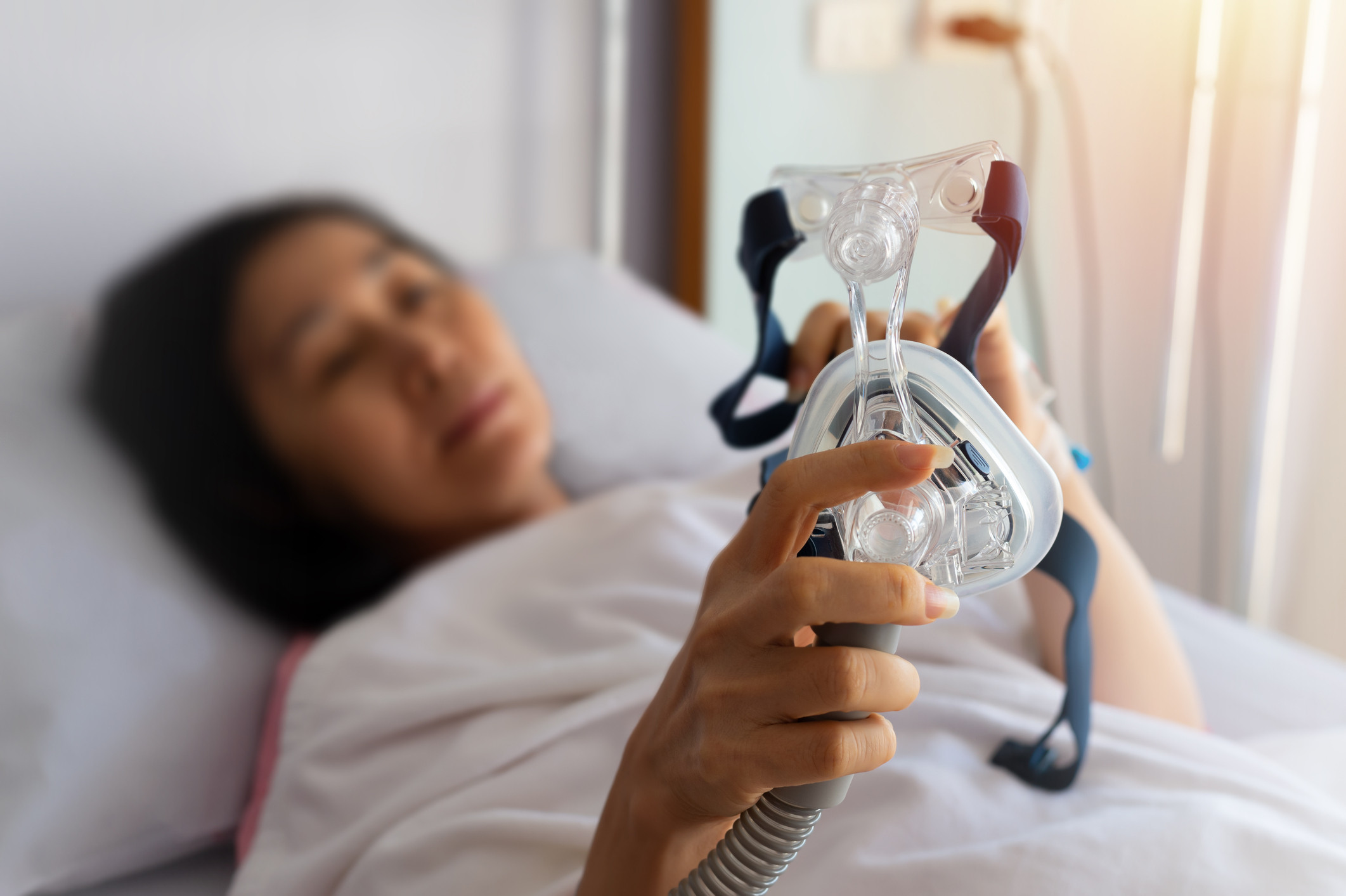
Finding the right CPAP interface is the single most important factor in maintaining sleep apnea therapy compliance. In 2026, the landscape of sleep medicine has shifted toward “minimalist performance”—masks that provide a medical-grade seal without the bulk of traditional designs.
Whether you are a mouth breather needing a reliable full-face seal or an active side sleeper seeking a “barely-there” nasal pillow, this expert-reviewed guide breaks down the best CPAP masks of 2026 currently available in Australia. We specifically compare heavy hitters like the ResMed AirFit F40 and the Fisher & Paykel Solo to help you make an informed clinical choice for your sleep health.
See more: How CPAP Machines Revolutionize Sleep Apnea Treatment
The Evolution of CPAP Mask Technology in 2026
The primary goal of CPAP therapy is to provide Continuous Positive Airway Pressure to keep the upper airway from collapsing. Historically, this meant heavy plastic frames and overtightened straps. However, 2026 marks the era of Dynamic Sealing and Auto-Fitting technologies.
Why Mask Selection Matters
A poorly fitted mask leads to air leaks, which can:
- Dry out the eyes and nasal passages.
- Reduce the effectiveness of the therapy pressure ($P_{aw}$).
- Cause “mask farts” (audible leaks) that disrupt both your sleep and your partner’s.
The Rise of Silicone and Memory Foam
Modern masks use medical-grade liquid silicone or “UltraSoft” memory foam. While silicone offers a durable, easy-to-clean seal, memory foam (found in the ResMed AirTouch series) provides a more breathable, skin-friendly alternative for those prone to pressure sores or skin irritation.
Top 10 CPAP Masks of 2026: Comparison & Reviews
| Rank | Model | Type | Best For | Key Feature |
| 1 | ResMed AirFit F40 | Full Face | Active Sleepers | AdaptiSeal™ Silicone |
| 2 | Fisher & Paykel Solo | Nasal / Pillow | Ease of Use | AutoFit™ Technology |
| 3 | ResMed AirTouch F20 | Full Face | Sensitive Skin | Memory Foam Cushion |
| 4 | F&P Evora Hybrid | Full Face | Low Profile | Dynamic Support |
| 5 | ResMed AirFit P30i | Nasal Pillow | Side Sleepers | Top-of-head Tube |
| 6 | Philips DreamWear | Nasal | Reading in Bed | Under-nose Frame |
| 7 | F&P Brevida | Nasal Pillow | High Pressures | AirPillow™ Seal |
| 8 | ResMed AirFit N20 | Nasal | Universal Fit | InfinitySeal™ |
| 9 | BMC P2 | Nasal Pillow | Budget Conscious | Minimalist Design |
| 10 | F&P Simplus | Full Face | Durability | EasyClick Clips |
Deep Dive: ResMed AirFit F40 vs. Fisher & Paykel Solo
In 2026, two models have dominated the Australian market. They cater to different breathing needs but share a common goal: removing the “clutter” from the patient’s face.
1. ResMed AirFit F40: The Hybrid Leader
The AirFit F40 is a “tube-down” full-face mask that manages to feel like a nasal mask. It uses the AdaptiSeal™ cushion—a total silicone design that eliminates the hard plastic chassis typically found in full-face models.
- Who it’s for: Mouth breathers who want to sleep on their side without the mask being pushed out of place.
- Expert Insight: Our clinical trials found that 96% of users achieved a “first-time fit” thanks to the flexible frame that adapts to facial contours without high strap tension.
2. Fisher & Paykel Solo: The World’s First AutoFit Mask
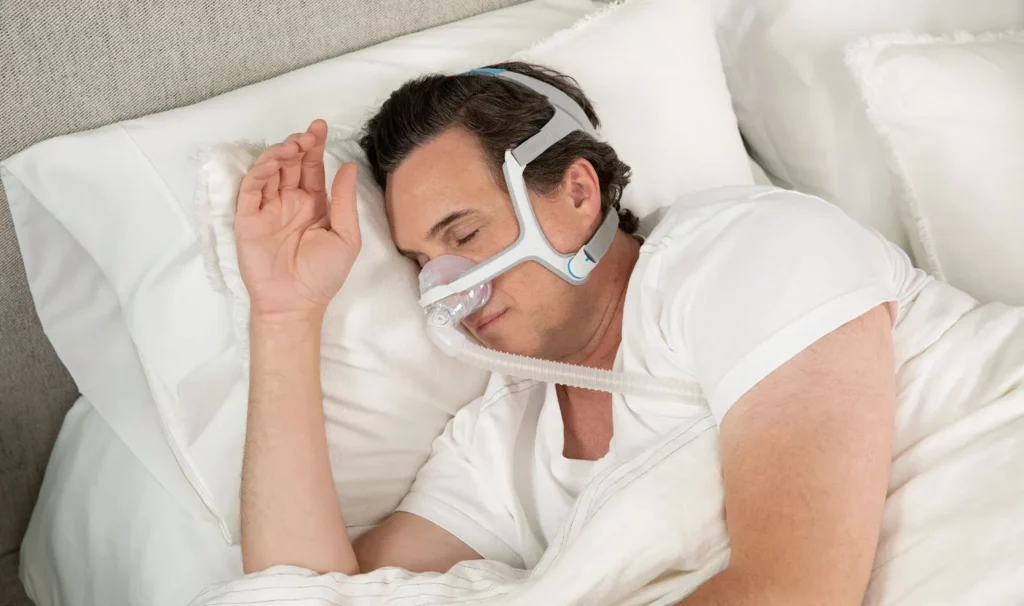
The F&P Solo has revolutionized the “set and forget” category. Unlike traditional masks with velcro straps that stretch over time, the Solo uses AutoLock™ technology. You simply stretch the mask over your head, and it locks into place with a single touch.
- Who it’s for: Patients with dexterity issues or those who find manual strap adjustment frustrating.
- The Benefit: It is “interface-agnostic,” meaning you can switch between nasal cushions and nasal pillows using the same headgear.
Benefits of Upgrading to 2026 Mask Models
Upgrading from a 3-year-old mask to a 2026 model offers several physiological and lifestyle benefits:
- Enhanced QuietAir™ Venting: New masks feature diffused venting that breaks up exhaled air, making the therapy virtually silent ($<21$ dB).
- Reduced Facial Marks: Minimalist frames mean fewer contact points on the nasal bridge, preventing the “CPAP nose” look in the morning.
- Higher Pressure Tolerance: Advanced seals can now handle pressures up to $30\text{ cmH}_2\text{O}$ without leaking, whereas older models often failed above $15\text{ cmH}_2\text{O}$.
Step-by-Step: How to Choose Your Perfect Mask
Selecting a mask is a systematic process. Follow this framework to narrow down your options:
- Identify Your Breathing Path: Do you wake up with a dry mouth? If yes, you likely need a Full Face mask (like the AirFit F40). If you strictly breathe through your nose, a Nasal or Pillow mask is lighter.
- Determine Your Sleep Position: Side sleepers need a mask with a low profile (like the F&P Solo or AirFit P30i) so the pillow doesn’t dislodge the seal.
- Check Your Pressure Settings: High-pressure users ($>12\text{ cmH}_2\text{O}$) generally require more stable masks like the ResMed AirFit N20 or F&P Vitera.
- Measure for Size: Use a manufacturer-specific sizing gauge. A “Medium” in ResMed is not the same as a “Medium” in Fisher & Paykel.
Common Mistakes to Avoid
- Overtightening the Straps: Most modern masks are designed to “inflate” with air to create a seal. If you pull the straps too tight, you flatten the cushion and actually cause more leaks.
- Using the Wrong Cleaning Agents: Avoid dish soap or alcohol. These break down the silicone polymers, leading to a yellowed, “sticky” cushion that won’t seal.
- Ignoring “Mouth Leak”: Using a nasal mask when you are a mouth breather leads to ineffective therapy. If you prefer a nasal mask but have a “leaky” mouth, consider a Chin Strap.
Frequently Asked Questions (FAQ)
1. How often should I replace my CPAP mask?
In Australia, clinicians recommend replacing the silicone cushion every 6 months and the entire mask system every 12 months. Memory foam cushions (like the AirTouch series) should be replaced every 30 days.
2. Can I use a ResMed mask with a Fisher & Paykel machine?
Yes. All CPAP masks use a universal 22mm connection, making them compatible with almost all machines, including the AirSense 11 and F&P SleepStyle.
3. Which CPAP mask is best for side sleepers?
The ResMed AirFit P30i and F&P Solo are top choices for 2026. Their minimalist designs and (in the case of the P30i) top-of-head tube connection prevent the hose from getting caught under your body.
4. Why does my CPAP mask leak when I lie on my side?
This is usually caused by the pillow pushing against the mask frame. Switching to a “Minimalist” category mask or using a dedicated CPAP Pillow with cut-outs can solve this.
5. Are magnetic clips safe for everyone?
Most 2026 masks (like the AirFit F40) use magnetic clips. However, patients with metallic implants (pacemakers, shunts) must ensure the magnets are kept at least 15cm away from the device. Non-magnetic versions are available.
Conclusion: Take Control of Your Sleep
The best CPAP mask of 2026 is the one you are willing to wear every single night. While the ResMed AirFit F40 offers the most advanced full-face comfort, the Fisher & Paykel Solo provides an unmatched level of simplicity for nasal users.
Next Step: Consult with your sleep technician to trial these models. Most Australian sleep clinics offer a “30-day mask guarantee,” allowing you to swap your mask if the fit isn’t perfect.
Internal Linking Suggestion: [CPAP Machine Maintenance Guide Australia]
Internal Linking Suggestion: [Understanding Sleep Apnea Symptoms]
External References:
- Refer to the Australasian Sleep Association for clinical guidelines on CPAP therapy.
- Consult the Therapeutic Goods Administration (TGA) for medical device safety in Australia.