
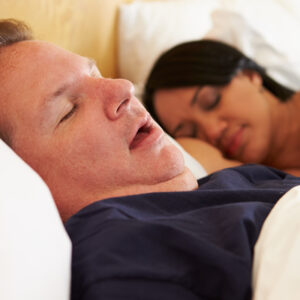
 A 45-year-old male with moderate obstructive sleep apnea (OSA) started CPAP therapy after experiencing excessive daytime sleepiness, loud snoring, and frequent awakenings. Following a sleep study, he was prescribed CPAP therapy with a pressure setting of 10 cm H2O. After using CPAP consistently for several weeks, he reported significant improvements in his sleep quality and daytime alertness. His snoring reduced considerably, and he no longer experienced episodes of waking up gasping for air. The patient’s spouse also noticed a positive change, as his snoring no longer disrupted their sleep. Overall, CPAP therapy greatly improved his quality of life and restored his energy levels.
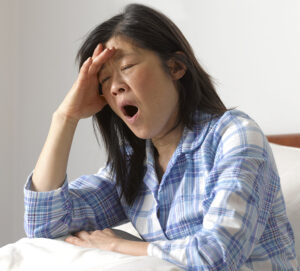 A 55-year-old female with severe obstructive sleep apnea struggled with persistent fatigue and morning headaches. Her sleep study revealed frequent apnea events during the night. She was prescribed CPAP therapy with a pressure setting of 12 cm H2O. After a few weeks of consistent CPAP use, the patient reported a significant reduction in daytime sleepiness. Her headaches became less frequent, and she felt more refreshed upon waking. Additionally, her blood pressure decreased, and she experienced better overall cardiovascular health. The patient’s follow-up sleep study showed a significant reduction in apnea events, indicating the effectiveness of CPAP therapy in managing her sleep apnea.
October 11, 2026
A sleep study cost in Australia depends on the test type, provider charges, Medicare eligibility and whether the clinic bulk bills. Public services may have no direct fee for eligible patients but can involve waits; private clinics may charge a gap. Request a written estimate that includes the study, report and follow-up. When you search for a Sleep Study Cost Australia , you may see figures that look...