
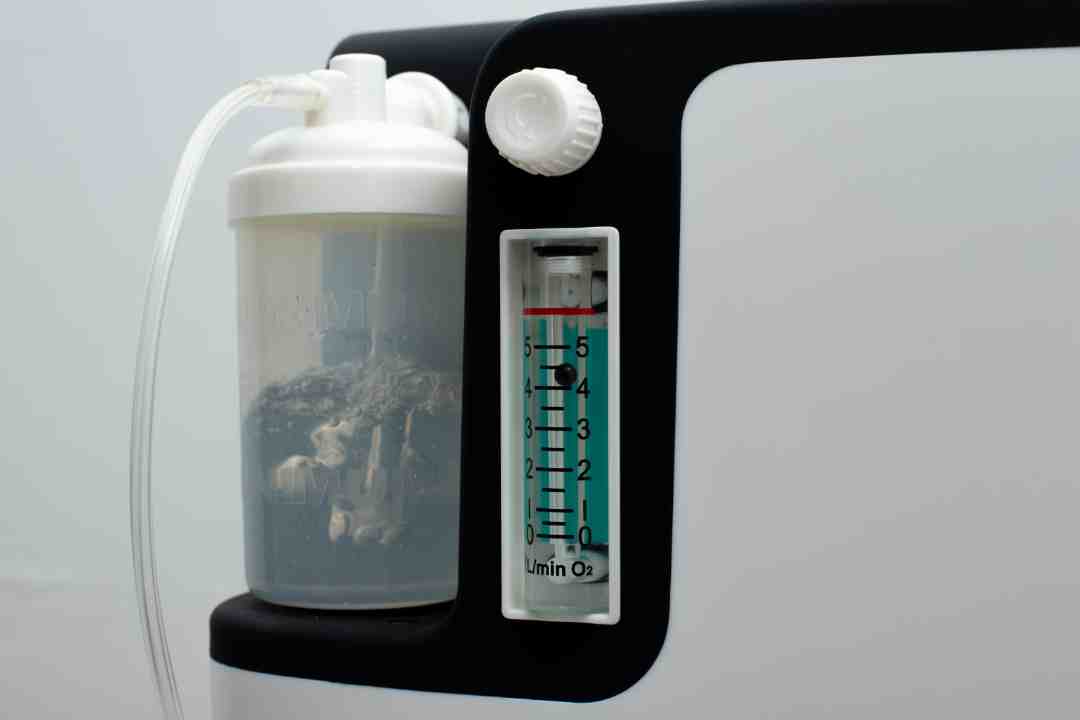
Selecting the right oxygen machine is a critical decision for anyone managing chronic respiratory conditions like COPD, emphysema, or sleep apnea. In Australia, and specifically within the Melbourne healthcare landscape, the shift from the traditional oxygen tank toward advanced concentrators has transformed patient mobility and quality of life.
Whether you are looking for a stationary unit for home use or a lightweight portable device for trips to the Yarra Valley, understanding the technology behind supplemental oxygen is essential. This guide provides a comprehensive deep dive into selecting, maintaining, and optimizing your oxygen therapy for long-term health outcomes.
What is an Oxygen Machine?
An oxygen machine, technically known as an oxygen concentrator, is a medical device that filters ambient air to provide a concentrated stream of oxygen. Unlike an oxygen tank, which holds a finite amount of pressurized gas, a concentrator pulls in the surrounding air (which is roughly 21% oxygen and 78% nitrogen), removes the nitrogen through a molecular sieve, and delivers medical-grade oxygen (often 90–95% purity) to the user.
How Oxygen Concentrators Differ from Oxygen Tanks
While both provide supplemental oxygen, their delivery methods are fundamentally different:
- Continuous Supply: A concentrator never “runs out” as long as it has power.
- Safety: Concentrators do not store high-pressure gas, reducing the risk of leaks or combustion.
- Logistics: You don’t need to wait for delivery refills or swap heavy cylinders.
How an Oxygen Machine Works: The Science of Sieve Beds
To understand why an oxygen machine is efficient, we must look at the Pressure Swing Adsorption (PSA) process.
The 4-Step Filtration Process
- Air Intake: The machine draws in room air through a series of filters.
- Compression: An internal compressor increases the air pressure.
- Nitrogen Adsorption: The air passes through two “sieve beds” filled with Zeolite. The Zeolite captures nitrogen molecules while allowing oxygen to pass through.
- Delivery: The concentrated oxygen is delivered via a nasal cannula or mask, while the trapped nitrogen is released back into the atmosphere.
Benefits of Modern Oxygen Machines for Melbourne Residents
Living in Melbourne means navigating a variable climate and a bustling urban environment. Modern oxygen technology offers several distinct advantages for local users:
1. Enhanced Mobility and Independence
Portable Oxygen Concentrators (POCs) allow users to maintain an active lifestyle. Whether you are walking through the Royal Botanic Gardens or catching a flight from Tullamarine, these battery-operated units provide freedom that a heavy oxygen tank simply cannot match.
2. Cost-Effectiveness Over Time
While the upfront cost of an oxygen machine is higher than a single tank, the elimination of recurring refill fees and delivery charges makes it a more economical long-term investment.
3. Reliability During Emergencies
Many home units are now equipped with robust battery backups and “smart” alarms that alert users to power failures or low oxygen purity, ensuring constant peace of mind.
Comparing Types: Home vs. Portable Oxygen Machines
| Feature | Stationary (Home) Concentrators | Portable Oxygen Concentrators (POC) |
| Flow Rate | Higher (up to 10LPM) | Lower (usually 1-5 Pulse) |
| Weight | 10kg – 25kg | 1.5kg – 8kg |
| Power Source | AC Power (Wall Outlet) | Rechargeable Battery + AC/DC |
| Best For | Sleeping & Heavy Home Use | Travel, Shopping, Exercise |
Key Features to Consider Before Purchasing
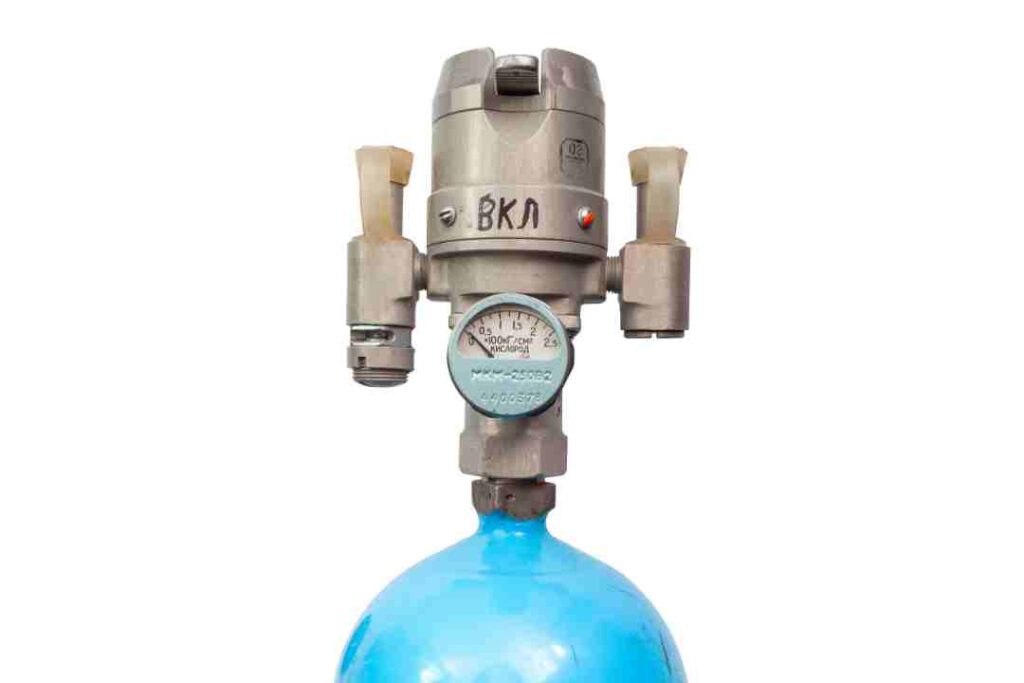
When browsing for an oxygen machine in the Australian market, focus on these five critical metrics:
1. Flow Type: Continuous vs. Pulse Dose
- Continuous Flow: Delivers oxygen at a constant rate regardless of breathing patterns. Essential for sleep.
- Pulse Dose: Delivers a “bolus” of oxygen only when it detects an inhalation. This saves battery life in portable units.
2. Battery Life (for Portables)
Look for machines that offer “Extended Battery” options. If you plan on long drives along the Great Ocean Road, ensure your DC car charger is compatible with the unit.
3. Noise Levels
Measured in decibels (dB), look for units under 45dB if you are sensitive to noise during sleep.
4. Therapeutic Purity
A high-quality oxygen machine should consistently deliver oxygen levels between 87% and 96%.
A Step-by-Step Guide to Setting Up Your Device
- Placement: Position your stationary unit at least 30cm away from walls or furniture to ensure proper airflow and cooling.
- Filter Check: Ensure the gross particle filter is clean and dry before turning the machine on.
- Water Level: If using a humidifier bottle (common for flow rates over 3LPM), fill it with distilled water to the indicated line.
- Power On: Plug the unit into a dedicated wall outlet (avoid power boards).
- Adjust Flow: Turn the flow meter to the exact level prescribed by your respiratory specialist.
Best Practices for Oxygen Safety and Maintenance
Maintaining your oxygen machine ensures longevity and medical efficacy.
- Weekly Filter Cleaning: Wash the external sponge filter in warm, soapy water, rinse thoroughly, and air dry.
- Cannula Replacement: Replace your nasal cannula every 2–4 weeks to prevent bacteria buildup and maintain comfort.
- Fire Safety: Never smoke or use open flames (candles, gas stoves) within 3 metres of your oxygen source. Oxygen is an accelerant and makes fires burn much hotter and faster.
- Avoid Oil-Based Products: Do not use petroleum jelly (Vicks, Vaseline) on your nose or face while using oxygen, as it creates a combustion risk. Use water-based lubricants instead.
Common Mistakes to Avoid
- Self-Adjusting Flow Rates: Never increase your oxygen flow without a doctor’s order. Excess oxygen can lead to oxygen toxicity or CO2 retention.
- Ignoring Alarms: If your machine beeps, check the user manual immediately. It may indicate a kink in the tubing or a drop in purity.
- Buying Uncertified Gear: Ensure any oxygen machine you purchase is TGA-approved (Therapeutic Goods Administration) for use in Australia.
Internal Linking & Resource Suggestions
To further your understanding of respiratory health and equipment, consider exploring these topics:
- Comparing the best portable oxygen concentrators for travel.
- How to clean and sanitize your CPAP and oxygen equipment.
- Navigating the NDIS for respiratory support funding.
Authoritative External References:
- Lung Foundation Australia: Guidelines for Home Oxygen Therapy.
- Thoracic Society of Australia and New Zealand (TSANZ): Clinical Standards.
FAQ: Frequently Asked Questions about Oxygen Machines
What is the difference between an oxygen machine and an oxygen tank?
An oxygen machine concentrates air from the room to provide an endless supply, whereas an oxygen tank contains a fixed amount of compressed oxygen that requires regular refills.
Can I use a portable oxygen machine on a flight?
Yes, most major airlines (including Qantas and Virgin Australia) allow FAA-approved portable oxygen concentrators. You must notify the airline in advance and ensure you have enough battery life for 150% of the flight duration.
How much electricity does a home oxygen concentrator use?
Most modern units use approximately the same amount of electricity as a standard refrigerator. It is advisable to notify your energy provider, as some states offer rebates for life-support equipment.
Does an oxygen machine make the room hot?
Because the compressor generates heat, a stationary machine can slightly increase the temperature in a small, poorly ventilated room. Always keep the area well-ventilated.
How often should I service my oxygen machine?
Professional servicing is typically recommended every 12 months or after 5,000 hours of use to check the sieve beds and internal pressure settings.
Conclusion: Investing in Your Respiratory Health
Choosing the right oxygen machine is about balancing your clinical needs with your lifestyle goals. For Melbourne residents, the shift toward portable technology has opened up new possibilities for social engagement and outdoor activity without the burden of a heavy oxygen tank.
By prioritizing TGA-approved devices, maintaining a strict cleaning schedule, and following your healthcare provider’s prescription, you can ensure that your oxygen therapy is both safe and effective.